How to Reduce Waste at Home: Room-by-Room Guide for a Low-Waste Lifestyle
Publish Date: April 12, 2023
Last Update: August 10, 2026
Reducing waste at home is one of the simplest and most effective ways to live more sustainably. From food packaging in the kitchen to single-use plastics in the bathroom, everyday habits can create a surprising amount of household waste. The good news? You don’t need to go fully zero-waste to make a meaningful impact.
By making small, practical changes in each area of your home, you can reduce waste, cut down on plastic use, and create a more eco-friendly lifestyle. This room-by-room guide will show you how to reduce household waste with easy, realistic tips you can start using today—no overwhelm required.
How to Reduce Waste at Home (Room-by-Room Guide)
Reducing waste at home doesn’t require a complete lifestyle overhaul—it starts with small, intentional changes. From food scraps in the kitchen to single-use plastics in the bathroom, everyday habits add up quickly.
This room-by-room guide will show you simple, realistic ways to reduce household waste, lower your environmental impact, and save money—without feeling overwhelmed.
Reduce Waste in the Kitchen
The kitchen is one of the biggest sources of household waste, from food scraps to plastic packaging. Learning how to reduce waste in the kitchen can help you cut food waste, save money, and build a more sustainable, eco-friendly home.
- Save water when washing dishes. If you’re washing dishes in the sink, don’t allow the water to run the whole time; instead, plug the sink to reuse water while cleaning, then give them a quick rinse. If you use a dishwasher, opt for the “eco” setting to conserve water.
- Use bamboo cleaning tools. Replace plastic-laden dishwashing tools and scrub brushes with environmentally conscious alternatives made with bamboo and natural fibers.
- Switch to sustainable cleaners. Replace traditional chemical cleaners with natural and plant-powered kitchen counter sprays, dishwashing liquids, and dishwasher detergent packs.
- Replace cleaners with reusable containers. Better yet, nix the single-use cleaners entirely in favor of reusable plastic-free bottles and cleaning concentrates.
- Start meal planning. Cut down on food waste by carefully planning your meals throughout the week, ensuring that you use up any fresh produce and make the most of your groceries.
- Reuse your food scraps and leftovers. Instead of throwing out veggie peels and last night’s takeout, use them to make entirely new meals.
A few ideas: These no-waste veggie burgers, a hearty stock made from veggie scraps, or these chicken tacos made from carrot peels and leftover chicken. - Commit to composting. Cut down on CO2 emissions in landfills by composting your food scraps instead of tossing them in the trash.
Here’s how to get started: Composting 101: 10 Questions Answered - Freeze your leftovers. From fresh produce to make-ahead meals (and even butter), the freezer is your best friend when it comes to keeping food fresh for longer—and out of the landfill.
Learn how to freeze just about anything: How to Prevent Freezer Burn
Reduce Waste in the Bathroom
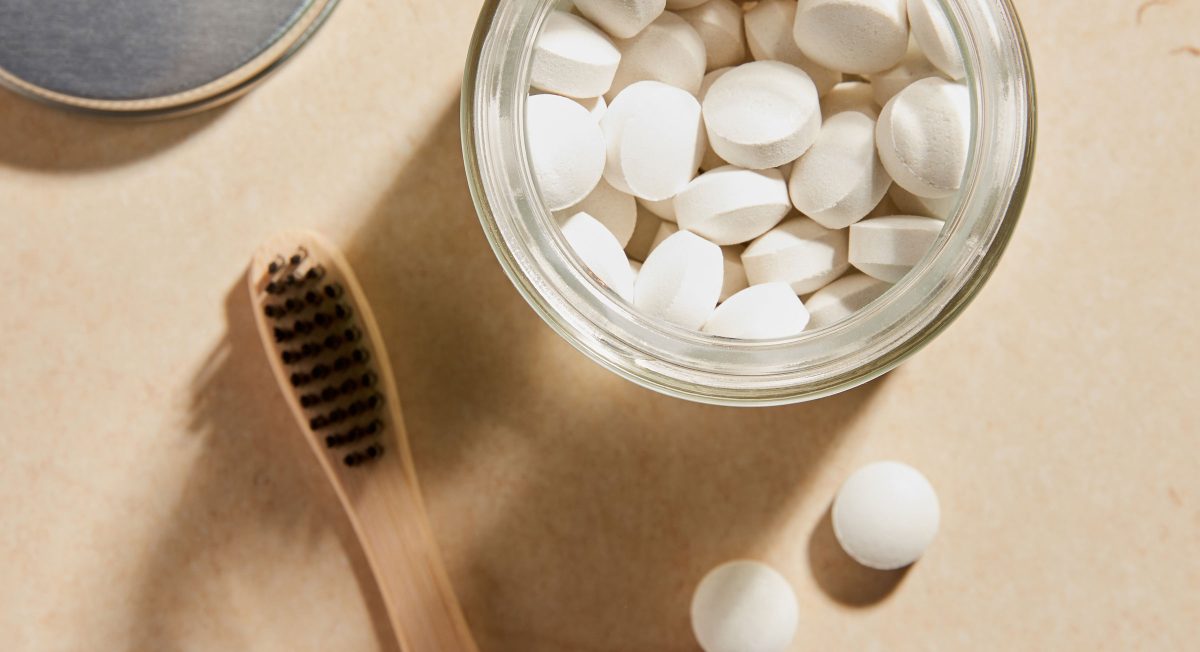
The bathroom is a major contributor to single-use plastic waste. By making a few simple swaps, you can reduce bathroom waste, limit plastic use, and create a cleaner, low-waste daily routine.
- Switch to package-free grooming products. From shampoo bars to reusable deodorant canisters, there are now package-free versions of just about all of your daily grooming essentials.
Learn more: Best Sustainable Beauty Brands and Products - Replace plastic in your routine. If you can’t cut out the disposables entirely from your routine, you can make a big difference by replacing the plastic with materials that are gentler on the environment.
Think: a wooden toothbrush, plastic-free dental floss, or a bamboo razor - Conserve water. Never let the water run while you’re brushing your teeth, and cut down on your morning shower routine to save gallons of water each day.
- Switch to sustainable toilet paper. Toilet paper is undoubtedly one of the most wasteful parts of any bathroom; clean yours up by switching to recycled toilet paper or bamboo toilet paper.
- Clean up your cleaners. Instead of chemical-based cleaners for the sink, shower, and toilet, try plant- and mineral-based bathroom cleaners with gentler ingredients (and more sustainable packaging).
Reduce Waste in the Bedroom
From fast fashion to unused items, the bedroom can quietly contribute to unnecessary waste. Adopting low-waste habits in your bedroom helps reduce clutter, extend the life of your belongings, and support a more sustainable lifestyle.
- Buy secondhand clothing. Secondhand clothing saves you money, but it also saves textiles from the landfill. Instead of heading to the mall when you need a closet refresh, download one of many clothing resale apps or hit your local thrift store.
- Mend old clothes and shoes. Hole in your favorite sweater? Instead of tossing it out, have it mended. Mending and repairing shoes and clothes can extend their lifespan by many years.
- Embrace hand-me-downs. Hand-me-downs aren’t just for children; everyone in your family can benefit from swapping and exchanging clothing.
Reduce Waste in the Laundry Room
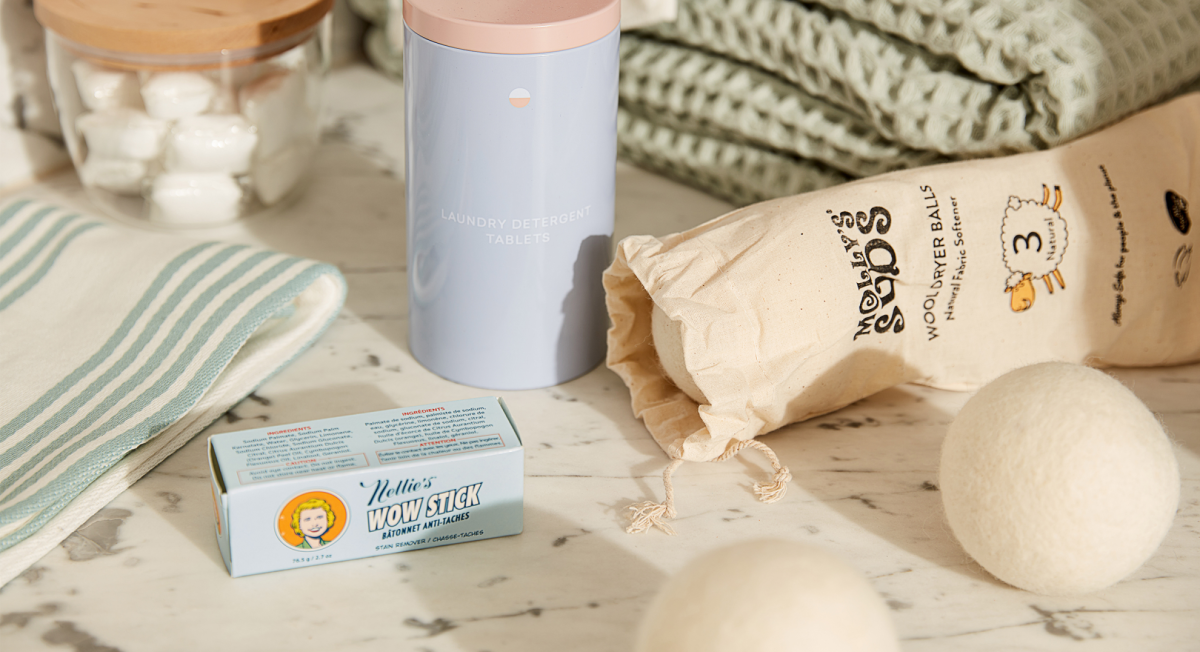
Laundry routines often rely on plastic packaging and energy-intensive cycles. Reducing waste in the laundry room can lower your environmental impact while keeping your clothes clean and long-lasting.
- Use plastic-free detergent. Zero-plastic laundry detergent sheets help to cut down on waste, as they come in recyclable paper packaging instead of plastic jugs.
- Get rid of dryer sheets. Instead of single-use dryer sheets, use reusable wool dryer balls.
- Opt for a quick wash. When you can, set the washing machine to a quicker wash in order to save on water and energy.
- Dry clothes outside when possible. On a warm day, hanging clothes out to dry is an energy efficient alternative to using the clothes dryer.
Reduce Waste Everywhere in the Home
Creating a low-waste home goes beyond individual rooms—it’s about building better habits throughout your daily life. Small changes across your home can significantly reduce waste, conserve energy, and support a more sustainable lifestyle.
- Opt out of junk mail. Did you know that you can opt out of receiving junk mail? Go to the USPS website to remove your name from mailing lists and reduce your postal waste.
- Make your energy use more efficient. Replace all light bulbs in your home with energy efficient LED bulbs, and be sure to turn all lights off when you leave a room. To conserve energy, you may also turn off your air conditioning when you leave the house, unplug and power down electronics when you’re not using them, and adjust your television settings to operate on lower power.
- Clear up your digital pollution. E-waste is a major pollutant in the digital age. Be sure to regularly clear out your inbox in order to cut down on digital waste.
Frequently Asked Questions About Reducing Waste at Home
What is the easiest way to reduce waste at home?
The easiest way to reduce waste at home is to start with simple swaps and habits. Focus on using what you already have, avoiding single-use plastics, and switching to reusable items like water bottles, shopping bags, and food containers. Meal planning and buying only what you need can also significantly cut down on waste.
How can I reduce plastic waste in my house?
To reduce plastic waste, choose products with minimal or recyclable packaging, switch to reusable alternatives (like glass containers and cloth bags), and buy in bulk when possible. Replacing everyday items—such as plastic toothbrushes or shampoo bottles—with low-waste options can make a big difference over time.
What are zero-waste swaps for beginners?
Beginner-friendly zero-waste swaps include:
- Reusable grocery bags instead of plastic bags
- Stainless steel or glass water bottles instead of disposable bottles
- Cloth towels instead of paper towels
- Shampoo bars instead of bottled shampoo
- Refillable cleaning products instead of single-use containers
These small changes are easy to adopt and have a big environmental impact.
How do I reduce food waste in the kitchen?
You can reduce food waste by planning meals, storing food properly, and using leftovers creatively. Freezing extra portions, composting scraps, and understanding expiration labels (like “best by” vs. “use by”) can also help prevent unnecessary waste.
Is it expensive to live a low-waste lifestyle?
Not necessarily—in fact, it will likely help you to cut down on costs! While some eco-friendly products cost money at first, a low-waste lifestyle often saves money over time. Buying less, reusing items, and reducing food waste can significantly lower household expenses.
How long does it take to create a zero-waste home?
Creating a zero-waste home is a gradual process, not an overnight change. Most people start with one room or habit and build from there. Consistency matters more than speed—small, sustainable changes over time lead to lasting results.