Thrive Market’s content is produced by skilled writers, fact-checked by experts, and updated regularly. This article was reviewed and edited by:Sabrina Wildermuth, MS, Certified Food Scientist (CFS) and Director of Nutrition & Regulatory Compliance and Michelle Leonetti, MS, Registered Dietitian Nutritionist (RDN) and Quality Assurance Nutrition & Regulatory Manager. If grocery shopping ever feels confusing, ...

If you’ve ever stood in the grocery aisle scanning food labels, wondering what’s actually good for your kids, you’re not alone. With so many buzzwords and claims on packaging, it can be tough to know what to look for — and what to skip. We turned to Dr. Nicole Beurkens, a clinical psychologist with a ...
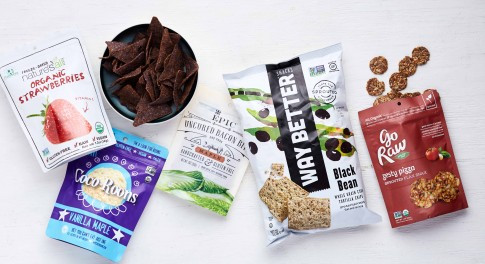
Although many supermarket staples can contain preservatives and chemical ingredients, there’s also a good selection that’s nutritious and natural. But—what does “natural” mean, exactly?
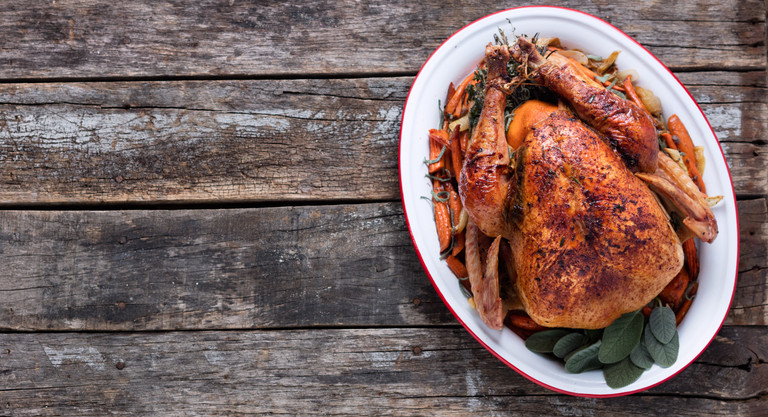
Regardless of your feelings about the taste of the bird, turkey is obviously the traditional go-to for any authentic Thanksgiving feast. If you’ve waited until now to pick up a turkey—ballsy!—you’re gonna want to scoop one up, stat.
It takes 60,000 or so bees and nearly 2 million flowers to craft one pound of honey, the sticky and sweet substance we spoon into coffee and tea—but that’s not the only reason that raw honey deserves respect.
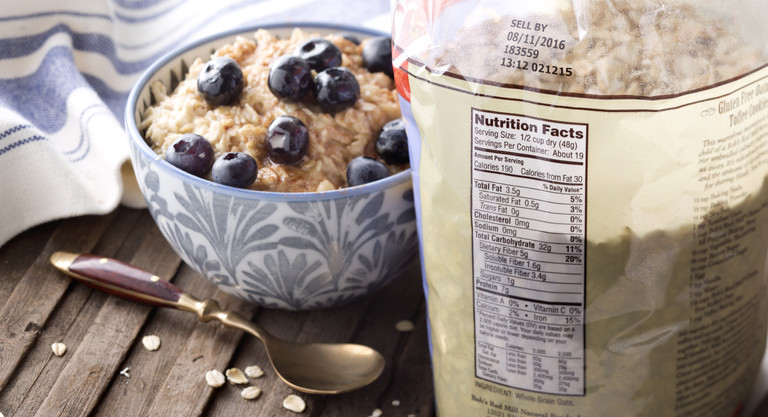
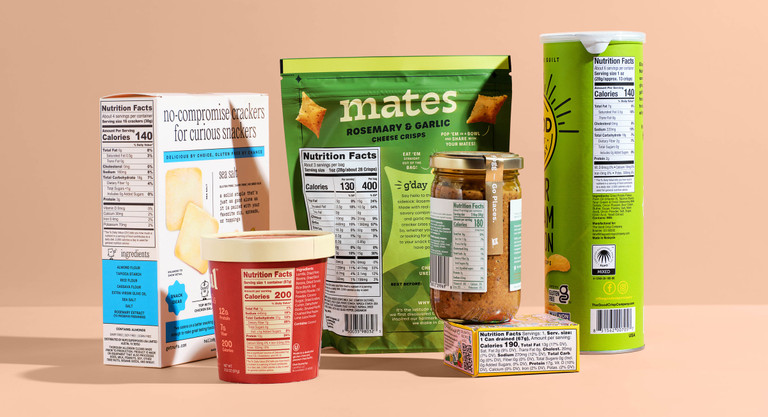
Walk through the aisles of any supermarket, and a fire hose of attention-grabbing labels accosts your senses. These days, food companies are all about using their packaging to seize on many shoppers’ desire to feed their families clean, nutritious foods.
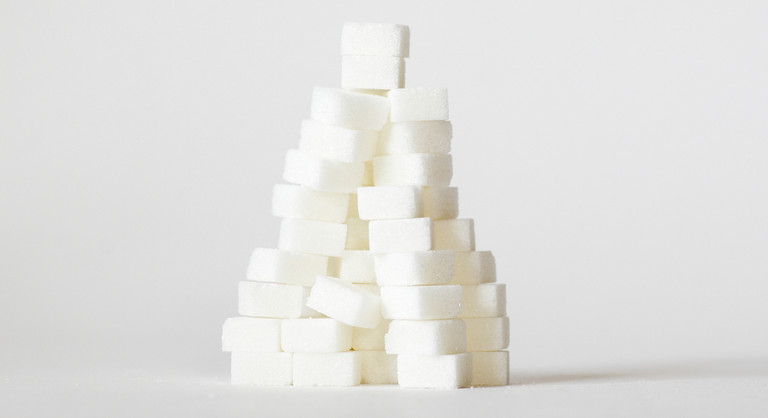
Today, an inquisitive shopper wouldn’t be able to find the answer to this question on the back of any food label—but it may be one of the most important nutrition questions we ask.
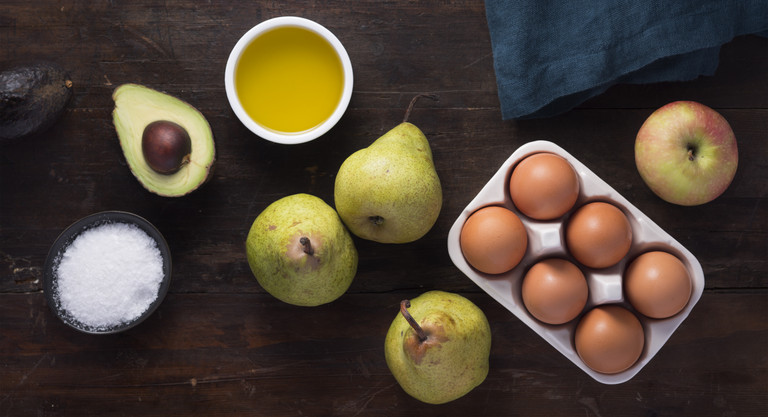
The litany of foods to avoid can seem never ending: sugar, salt, fat, carbs, dairy, nuts, gluten, and on and on. Are they all really so bad for us? The truth is, they’re not—not for all of us, anyway.
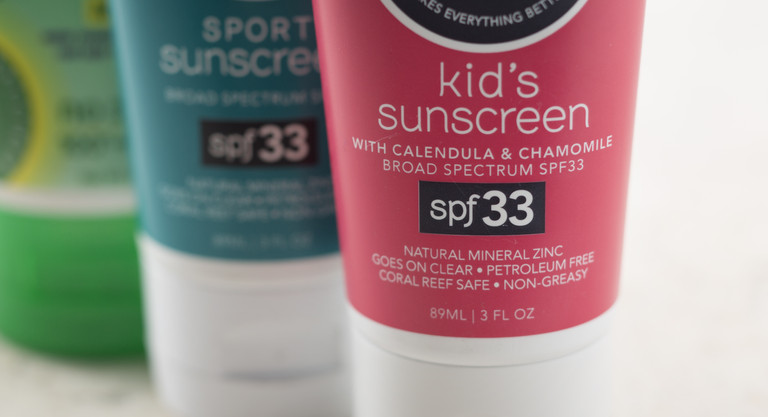
When it comes to the SPF number on our sunscreen bottles, most people shrug and grab the highest one, figuring bigger is better.
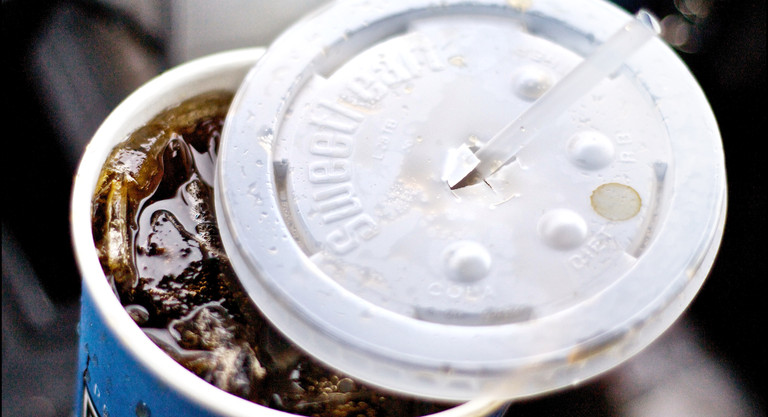
What’s the real meaning of the word “diet”? And why do we call artificially flavored, zero-calorie carbonated water a “diet” product, anyway?