What is Kernza? Why Cascadian Farm Cereals Use This Climate-Friendly Grain
Publish Date: April 16, 2026
Last Update: April 16, 2026
How sustainable is your cereal? It’s probably not a question you’ve thought of very often, but the folks at Cascadian Farm think you should.
As more shoppers look for ways to make everyday choices that are better for both their families and the planet, one ingredient leading that shift is Kernza, a grain that’s quickly gaining attention for its potential to transform how food is grown.
We spoke to Lisa Sisson, Brand Manager of Natural & Organic at General Mills, to learn more about what makes Kernza so unique, from its deep roots—literally—to its role in supporting soil health, water conservation, and carbon capture. She also shares how Cascadian Farm is bringing this climate-friendly grain to familiar cereals without compromising on taste, texture, or nutrition.
Whether you’re curious about regenerative agriculture, interested in more sustainable pantry staples, or just wondering what’s next in breakfast innovation, this conversation offers a closer look at how small changes—like what’s in your cereal bowl—can have a big impact.
What is Kernza? Q&A With Lisa Sisson, Brand Manager, Natural & Organic at General Mills
What is Kernza, and what makes it different from traditional grains like wheat?
“Unlike traditional, or annual wheat, Kernza is a perennial grain that grows back every year.”
Kernza is often described as a “climate-friendly” grain—can you explain its environmental benefits?
“Kernza’s unique roots grow up to ten feet deep, helping stabilize and improve the soil, capture and store carbon in the ground, enhance water quality by filtering out impurities, and give micro-organisms a place to thrive.”
Can you tell us more about the new Kernza-based cereals that are launching? What can our members expect in terms of taste, texture, and nutrition?
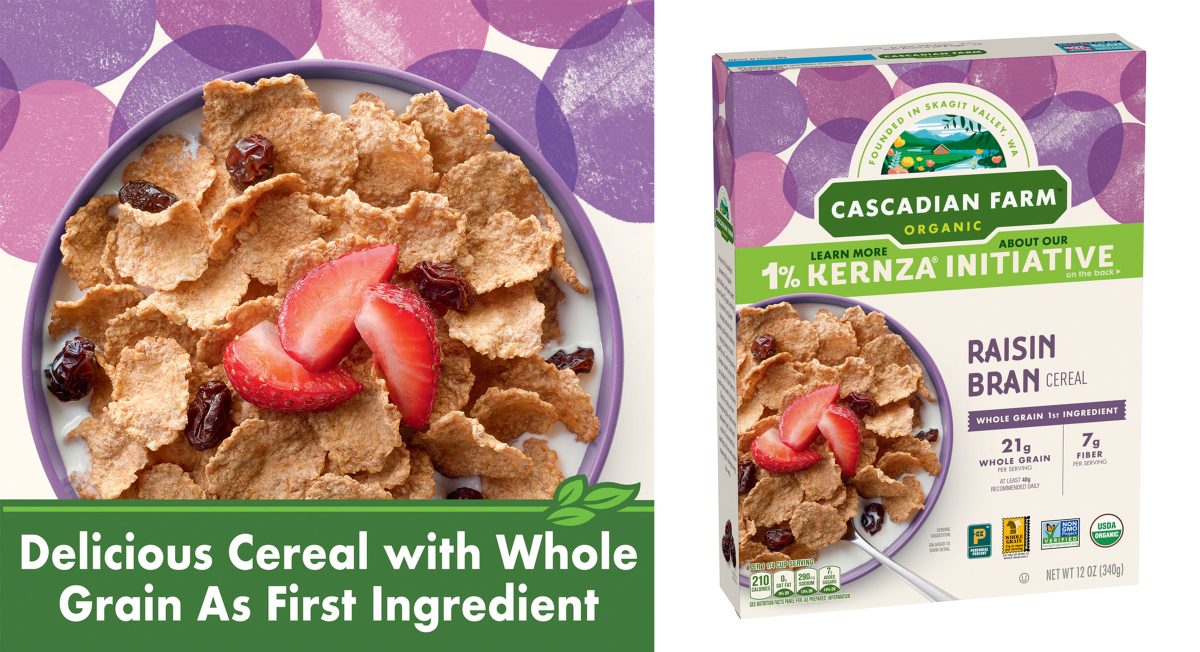
“Kernza’s slightly sweet, nutty flavor is a perfect complement to Cascadian Farm Honey Oat Crunch, Honey Oat Crunch with Almonds, Raisin Bran and Hearty Morning Fiber cereals.
By putting a little bit of Kernza into our four top-selling Cascadian Farm flake cereals that consumers know and love, we’re creating a stable market for U.S. organic farmers and making it simple for shoppers to select a great-tasting, sustainable option in the cereal aisle.”
How does Kernza farming impact soil health, water usage, and carbon capture compared to conventional crops?
“Kernza’s deep roots help stabilize the soil during floods so that more water is absorbed into the ground, feeding the plant and on-farm ecosystem, rather than running off the field and taking topsoil with it, making the plant and farm more resilient during droughts. The roots also pull carbon out of the air and put it back in the ground where it feeds a whole host of micro-organisms and biology.”
How do you balance sustainability goals with delivering products that consumers will love and keep coming back to?
“Cascadian Farm has been pioneering The Organic Movement since 1972 and never sacrifices taste, while focusing on making natural and USDA organic cereal accessible to all consumers.”
Why is it important for large-scale food brands to invest in regenerative agriculture and climate-resilient crops?
“As a food company, we depend on the health and well-being of our planet, so we are investing in landscapes and ecosystems to build resilience for nature and climate. Cascadian Farm is a pioneering supporter of farmers who use practices that regenerate the land and their communities.”
For shoppers who want to make more sustainable choices, what should they look for when buying pantry staples like cereal?
“There are a few ways for shoppers to find brands that are focused on sustainability without compromising on taste. Look for products with recyclable packaging and trusted certifications, like USDA Organic.”
To learn more about the Cascadian Farm 1% Kernza Initiative cereals, visit CascadianFarm.com. To learn more about Kernza, visit Kernza.org.