From the Start, Peace Coffee’s Mission Was Simple—Brew Better for People and Planet
Publish Date: October 31, 2025
Last Update: January 26, 2026
You can learn a lot about a person from the way they make their coffee.
When it comes to her morning ritual, Peace Coffee owner and CEO Lee Wallace keeps it simple: ethically sourced beans, brewed in a pour-over. Some days, she’ll have an espresso in the afternoon.
Since 1996, Peace Coffee has been at the forefront of the ethical coffee movement—long before it was commonplace. By working with smallholder farmers to buy their beans, becoming a Certified B Corp, and even creating compostable pods that make convenience less wasteful, this female-owned brand has always forged its own path toward a fairer, more sustainable coffee industry.
How Peace Coffee Created a Movement for Fair Trade Coffee
Peace Coffee was born out of activism, not ambition.
In 1996, a nonprofit organization called the Institute for Agriculture & Trade Policy (IATP) was searching for new ways to create economic stability for small farmers across the globe. Their solution was simple: trade directly with farmer cooperatives in coffee-growing regions, bypassing exploitative middlemen so farmers could keep more of their earnings. The IATP purchased a container of organic coffee from farmers in Chiapas, Mexico, paying a fair price long before the concept of “fair trade” was common. That bold experiment planted the seed for what would become Peace Coffee.
“The farmers didn’t need advocacy,” Wallace says. “They needed buyers who wanted to truly partner with them and help them figure out how to build direct, fair and sustainable supply chains.”
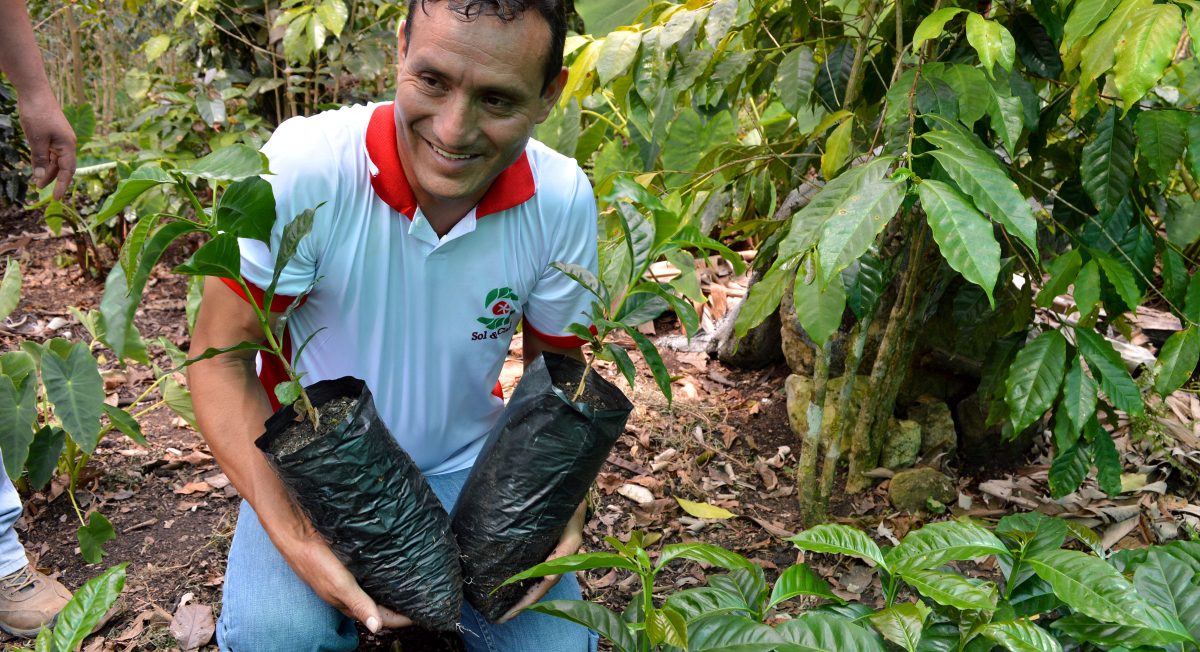
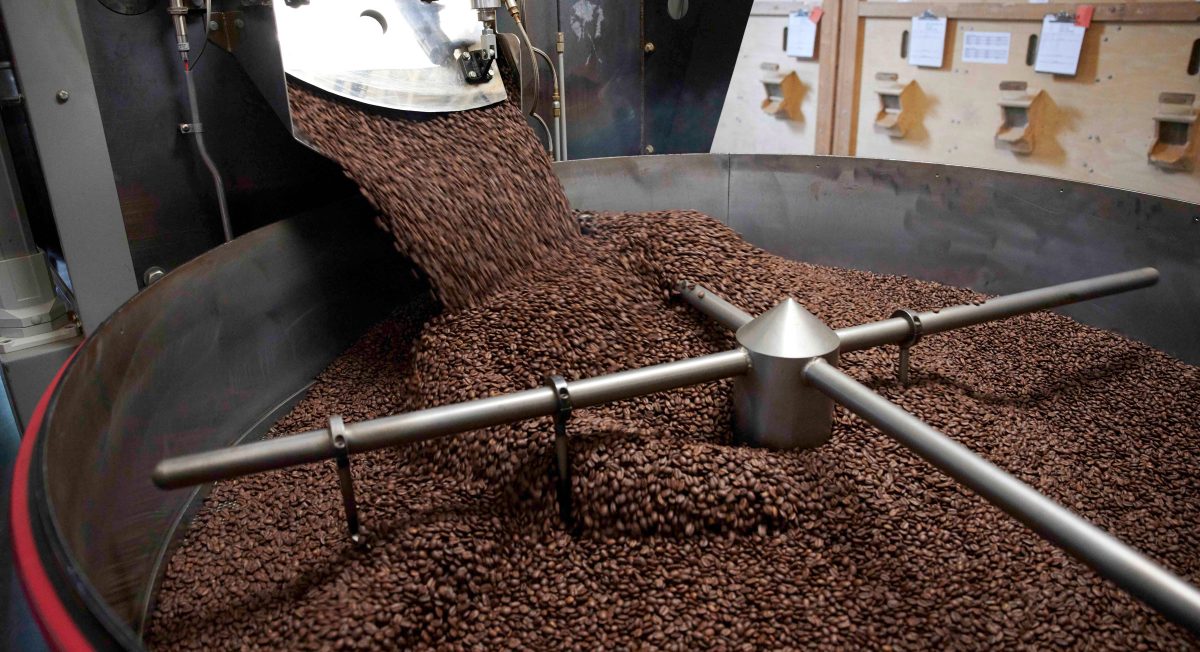
From the IATP’s experiment, Peace Coffee was born. Under Wallace’s leadership, they continued to work alongside small-scale organic farmers, sourcing beans from cooperatives in Latin America, Africa, and Asia. They focused on quality and relationships, roasting every batch in their hometown of Minneapolis with care and intention. It was a radical model at the time, creating lasting partnerships that prioritized people and planet over profit.
Soon after, Peace Coffee’s team began delivering fresh-roasted beans to co-ops and cafés by bicycle, connecting directly with their community while reducing their carbon footprint, too. By 2002, Peace Coffee’s growth led to a move into an eco-friendly roasting facility powered by solar panels and geothermal energy.
Sustainability as a Way of Life
Coffee crops are among the most vulnerable agricultural products on earth. Some scientists estimate that by 2050, up to half of the world’s coffee-growing regions could become unsuitable for cultivation due to changing climates. That stark reality drives every decision Peace Coffee makes.
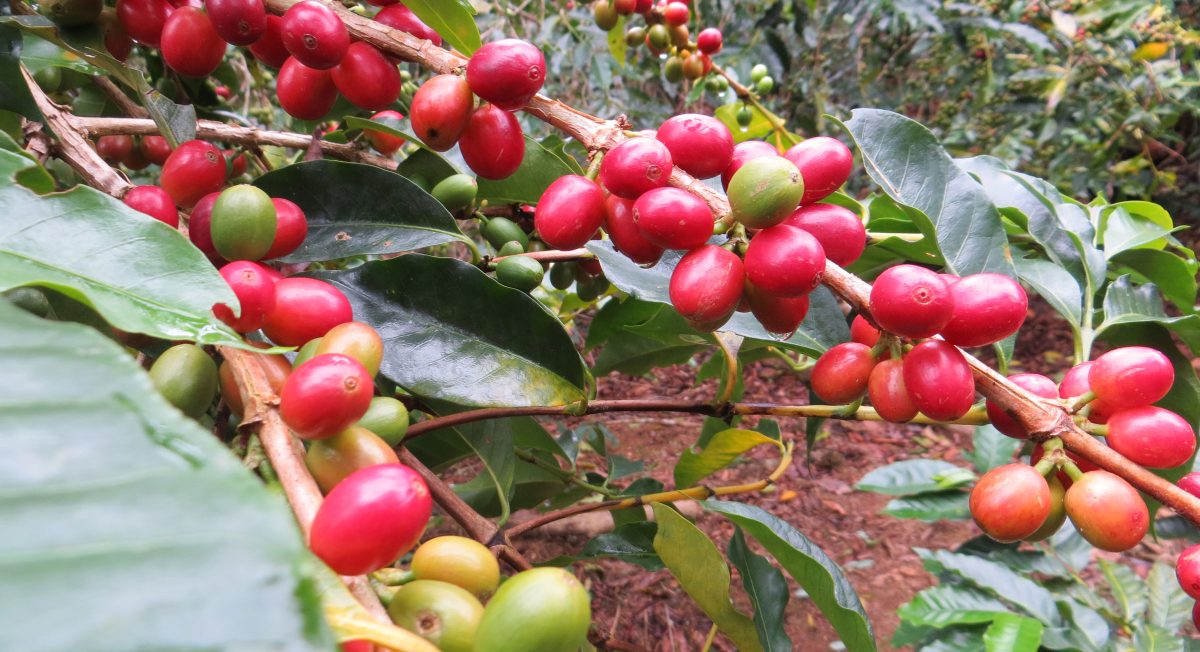
“We’ve always had sustainability at the heart of what we do,” Wallace says. “We still have two bike delivery people out every day, delivering hundreds of thousands of pounds of roasted coffee where we don’t need to take a van. It’s always been very much in our DNA.”
Their approach starts with organic farming, a cornerstone of their sourcing philosophy since the beginning. By working exclusively with smallholder organic farmers, Peace Coffee supports agricultural practices that restore soil health, reduce chemical runoff, and improve biodiversity.
These methods don’t just yield better beans, they create more resilient ecosystems that can withstand the pressures of a changing climate. During one devastating outbreak of coffee leaf rust in Honduras, for example, farms using organic, soil-building methods were able to maintain lush, productive crops while neighboring fields were stripped bare.
Each year, the company reinvests three cents from every pound of coffee sold into its Carbon, Climate, and Coffee Fund, which helps smallholder farmers adapt to climate change through soil-building, shade-grown cultivation, and carbon-negative farming techniques. The fund has already provided more than $325,000 in direct support for projects like reforestation, carbon measurement, and soil regeneration across multiple coffee-producing countries. The Cool Farm Tool (a platform that quantifies environmental impact) also found that 60% of participating farms were carbon negative, and another 20% were carbon neutral.
These partnerships show that when farmers are empowered to innovate, they don’t just adapt to climate change—they become part of the solution.
Leading With Purpose: CEO Lee Wallace on Women in Coffee
Wallace has spent decades carving out space for women in a predominantly male-led industry. Her leadership is grounded in the same principles that guide the company’s sourcing: transparency, partnership, and care for people at every level of the supply chain.
“Women in the coffee industry are few and far between,” Wallace says. “I’ve always kind of stuck out that way.”
The women who work at Peace Coffee have a shared sense of loyalty, both to the business and to each other. “There are a lot of women in leadership roles at Peace Coffee,” she says. “They’re loyal to the business because we really work to lift up the voices of women in the coffee industry.”
For Wallace, representation isn’t just about internal leadership; it extends all the way to the farms where coffee begins. Every year, Peace Coffee buys some of its coffee from Karla Portillo, a female farmer named in Honduras, and from COMUCAP, a women’s cooperative that provides women with economic independence to support their families and help break the cycle of domestic abuse. In Peru, they source from a female-run cooperative run by a woman named Esperanza Dionisio Castillo.
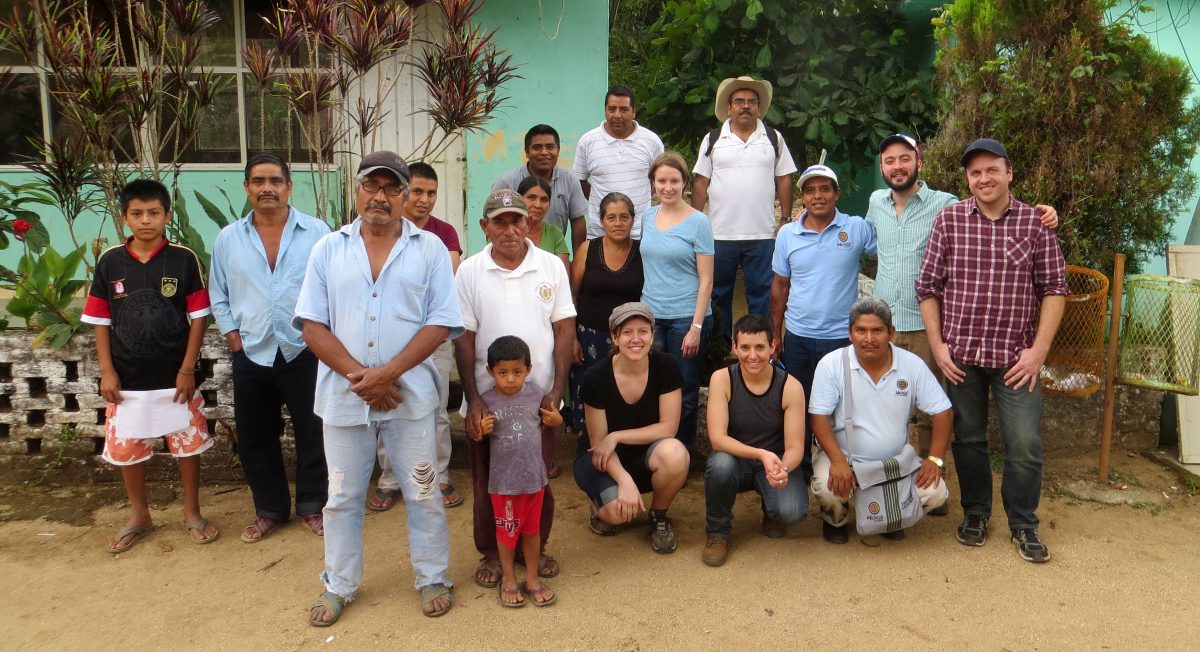
“I travel quite a bit for work, and because of my gender, I get to see aspects of these coffee producing communities that other people don’t get to see.” Wallace says. Because the women feel comfortable with Wallace, they’ve given her a rare and deeply personal perspective on the human side of coffee production. “I spent so much time in kitchens, in people’s houses. All of the business meetings in the offices went away,” she says. “[The women] say, ‘Here are my kids, here’s my farm, I want to take you on a tour.’ It’s a glimpse of a totally different side of things.”
Wallace’s perspective as a woman in coffee has helped shape Peace Coffee into what it is today: a company that sees its supply chain not as a transaction, but as a community of equals working toward shared progress.
Compostable Convenience in Your Morning Cup
In a world where convenience often comes at a cost to the planet, Peace Coffee set out to prove that sustainability and single-serve coffee don’t have to be mutually exclusive. When it comes to something like making single-serve coffee pods, Wallace and her team waited until they could do it right.
“People asked us to launch pods for years, and we didn’t launch them until we found a sustainable solution,” Wallace says.
That dedication led to the launch of Peace Coffee’s EcoPods: 100% compostable single-serve pods made entirely from plant-based materials. “It’s our same Fair Trade and organic coffee,” Wallace explains. “It’s just that EcoPods are 100% compostable, and we’re even working on getting backyard compostability certified.”
Unlike conventional plastic or aluminum pods, Peace Coffee’s version can be tossed directly into industrial composting bins after brewing. “There’s no plastic,” Wallace says. “It’s just a plant-based mesh on the bottom and a plant-based ring on the paper top, so you can take the entire thing and put it in your compost after you brew it.”
If single-serve pods aren’t your style, Wallace recommends Peace Coffee’s Birchwood Blend, a smooth, medium roast that’s as classic as it is versatile. “It goes really well with things like eggs and breakfast staples, but then it’s also really good in the afternoon,” she says. “It’s a good pick-me-up.”
For Wallace, choosing which coffee you brew goes far beyond flavor. “If you want to have an impact through your coffee purchases, the best thing you can do is buy organic coffee,” she says.
“Organic coffee is not just about drinking coffee that’s better for you; it actually tastes better, too.” Peace Coffee’s organic beans are grown without synthetic chemicals, preserving both the integrity of the land and the flavor of the coffee itself. For Wallace, it’s proof that thoughtful choices—whether that’s choosing a sustainable blend or savoring it in a pour-over—can make a difference for farmers, the planet, and your morning ritual.