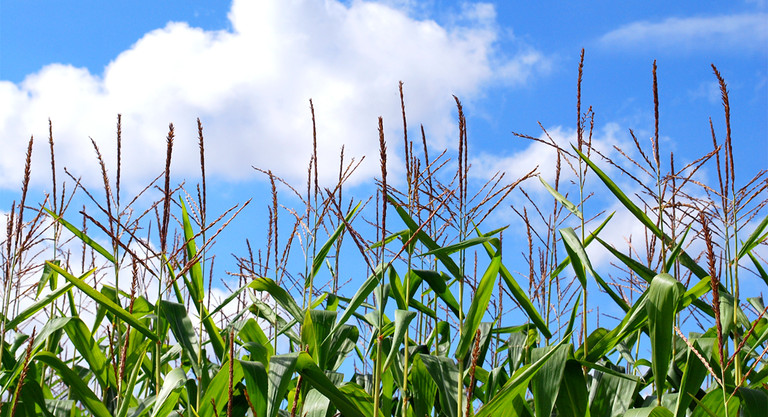
5 Things We Learned From the New York Times GMO Investigation
With only a few exceptions, the New York Times has been a reliable supporter of the use of biotechnology in agriculture and genetically modified organisms (GMOs).
With only a few exceptions, the New York Times has been a reliable supporter of the use of biotechnology in agriculture and genetically modified organisms (GMOs).
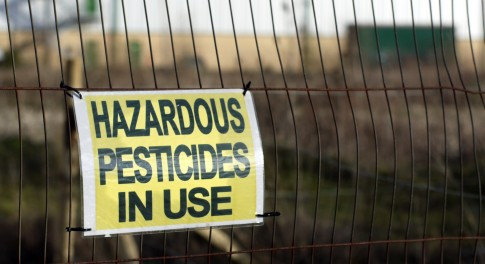
Synthetic chemicals are practically impossible to escape. They’re lurking in lipstick, canned soup, and cleaning products. Even in the furniture in your home and the paint on your walls. As organic food activists are quick to point out, they’re often in conventionally grown crops, too. And now, according to new data, they’re definitely in our ...
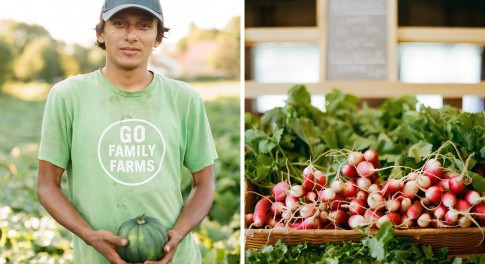
With piles of dark green zucchinis, succulent strawberries, and juicy heirloom tomatoes as far as the eye can see, the farmers market seems like a locavore’s dream come true.
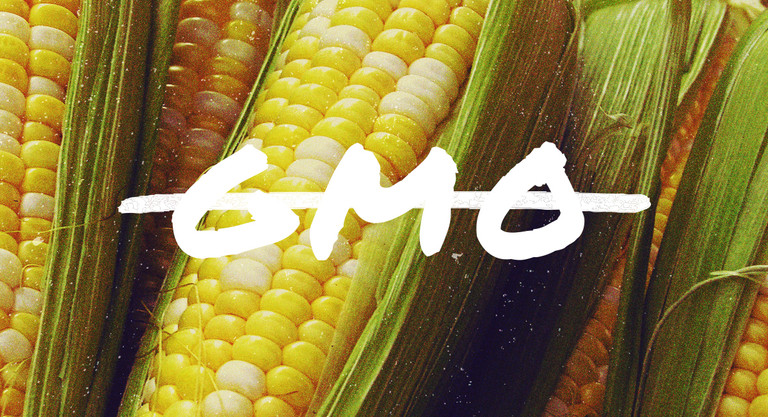
Congress has now passed a federal law on the labeling of genetically modified organisms that—if implemented as written—gives food companies too much leeway to hide ingredients and might even allow some genetically engineered (GE) foods to slip by unlabeled. What now?
A divisive federal bill intended to standardize food labeling requirements for genetically modified organisms is one step closer to becoming law. With a 63-30 vote, the Senate authorized the “National Bioengineered Food Disclosure Standard,” an amendment to the Agricultural Marketing Act of 1946 that would require companies to indicate whether food contains GMOs on its packaging. The ...

It’s fair to say Kristin Cavallari has lived a pretty glamorous life. Since making her debut on the reality TV show “Laguna Beach” 12 years ago, she married NFL quarterback Jay Cutler, had three beautiful kids, designed her own line of shoes and accessories, and authored a book, “Balancing in Heels.”
In the international movement for a safer and more sustainable food system, few issues have captivated eaters like genetic engineering. Products made with genetically modified organisms, or GMOs, are all over our supermarket shelves, and much of the produce we consume derives from seeds designed in a laboratory to withstand powerful herbicides and pesticides.
It’s the buzzword that won’t go away: GMOs. And, lately, the conversation about genetically modified organisms only continues to heat up with passionate opinions on both sides.
Due for a movie night? How about something with an hugely powerful, very evil villain, super-smart heroine, and mysterious chemical that might be poisoning the masses?
Earlier this month, the Portland, Ore. City Council passed a unanimous resolution to allow a city attorney to sue Monsanto for producing the chemical PCB, which Portland officials allege has contaminated the city’s waterways for years.
As we reported last week, the Senate defeated a bill that would have made the labeling of genetically modified products optional for food companies while nullifying state laws regulating GMO transparency. Had it passed, the so-called Denying Americans the Right to Know, or “DARK.” Act would have been a huge win for biotech companies like Monsanto ...
We’ve been trying not to keep you in the dark about a scary bill that has been lurking in the halls of Congress for the last year or so—the so-called “Denying Americans the Right to Know,” or DARK Act. To bring you up to speed, the DARK Act was just the latest effort by large-scale food and biotech ...
Ask 10 people on the street about Monsanto, and chances are seven or eight of them will respond with some variation of, “they make the toxic chemicals that we don’t want on our food” or “they genetically modify our food system.”
The battle over whether to require food companies to label products containing genetically modified ingredients has for years pitted health and transparency activists against the monied interests behind food production.

Last December, Venezuela approved a new law regulating GMOs—one of the toughest of its kind in the world. The ruling rejects the import, production, and distribution of seeds that have been genetically engineered—it also prohibits the “research of transgenic seeds.”
The hits keep coming for Monsanto—and not in a good way.
Just three weeks after 19 European countries told the European Union they wanted no part of a new genetically modified crop, we were reminded this week how our federal government feels about “frankenfood.”
G-M-O. More than many others, these three letters may define the public outrage about our food system almost two decades into the 21stcentury.
Speaking this week during a tour of the Bay Farm Research Farm in Columbia, Mo., Sen. Claire McCaskill (D-Mo.) blasted skeptics of genetically modified organisms and called for increased funding for the research and development of GMOs.
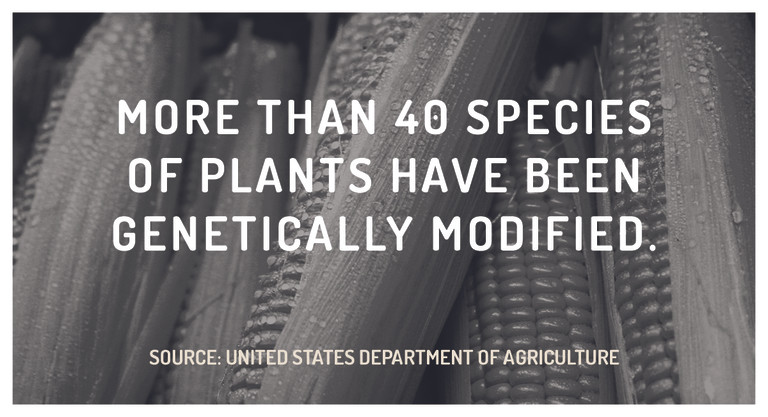
In the United States, GMO crops make up a majority of our agriculture.
Recent advances in technology don’t stop at smart watches or 3-D printing — we can engineer just about everything in this world, including our food.