Our Industry-Leading Quality Standards: Meat & Poultry
Publish Date: May 22, 2026
Last Update: June 25, 2026
Our standards — the highest in the industry — set a new bar for quality. Before adding a product to our virtual shelves, we look at five key areas to determine if it’s Thrive Market Approved: Trusted Ingredients, Ethical Sourcing, Planet Positive, On a Mission, and Tasted & Tested. From restricting 1,000+ ingredients across categories to prioritizing certified organic options, we’re proud to do the heavy lifting for you. Our goal? That you trust our products for you, your family, and our planet.
Here’s a closer look at our approach to the meat and poultry we carry, including the animal welfare standards we champion, the additives you’ll never find in products at Thrive Market, and opportunities for you to learn more.
What We Stand For: Humanely Raised Meat & Poultry
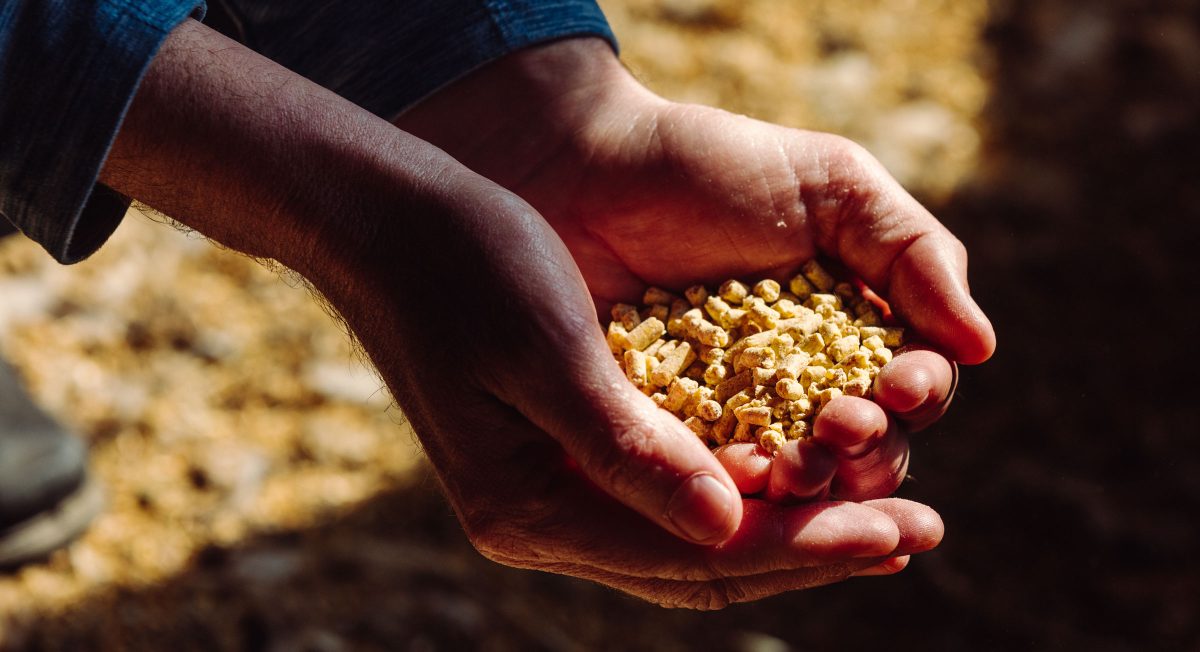
The meat and poultry products we carry come from animals raised by trusted farmers and ranchers. We’re careful about sourcing only from farms that provide animals with quality diets and prohibit the use of animal by-products, antibiotics, and synthetic growth hormones. We also require Global Animal Partnership’s (G.A.P.’s) 5-Step Animal Welfare Rating or an equivalent standard.
Our Animal Welfare Standards
Global Animal Partnership (G.A.P.)
G.A.P. is a non-profit organization dedicated to the humane treatment of animals. As one of the largest animal welfare food labeling programs in North America, the organization is dedicated to creating lasting change in the farming industry. When you see the G.A.P. stamp on a product label, it means that animals were raised in environments that mimic their natural habitats, given adequate space to move, and fed healthy vegetarian diets without the use of animal by-products. The higher the G.A.P. rating, the more natural the environment. Our meat and poultry is always Step 2 or higher on G.A.P.’s 5-Step rating scale:
- Step 1, Base Certification: The minimum G.A.P. level requires farms or ranches to meet more than 100 standards, including providing space for animals to move around (no cages or crates) and an environment that mimics animals’ natural one.
- Step 2, Enriched Environment: Animals are given even more space to move, along with additional enrichments like straw bales and perches for chickens.
- Step 3, Outdoor Access: Animals can go between indoors and outdoors as they please, with shade access in the summer to keep them cool.
- Step 4, Pasture Raised: Animals are raised on pasture year-round, or given daily access to outdoor areas if they live in a climate where pastures need to be protected for use.
- Step 5, Animal Centered: Animals that are well-suited for outdoor living are raised on pasture year-round, and farmers work to manage their environments sustainably.
- Step 5+, Entire Life on Farm: The highest G.A.P. level means that animals are pasture-raised and processed all on the same farm.
Other standards we prioritize
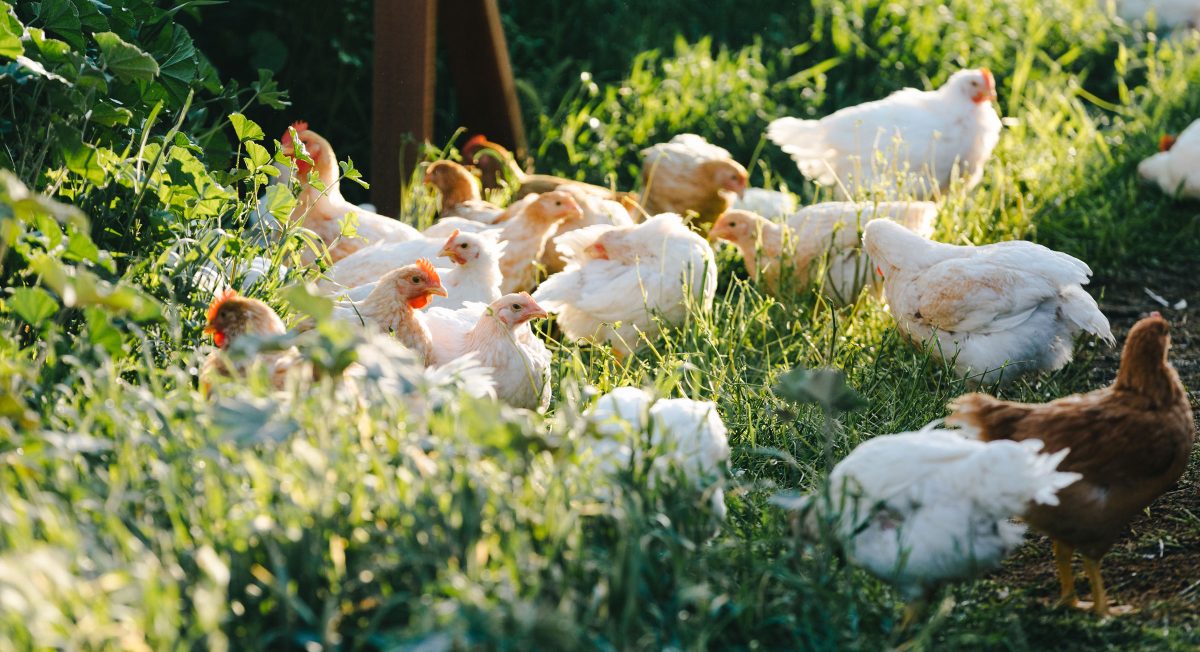
- Animal Welfare Approved (AWA): AWA certification requires animals to be raised on pasture or range in line with their natural behaviors. The certification comes from A Greener World, an organization that promotes sustainable agricultural solutions. Because of its holistic approach to animals and our greater environment, AWA is recognized for having some of the most rigorous and comprehensive animal welfare standards in the U.S.
- Cage-free: You’ve likely seen this label on eggs, and the definition is the same for poultry. Cage-free means the animals are allowed to move around and aren’t kept in small, individual cages. The chicken we carry must be cage-free at a minimum.
- Certified Humane®: This certification from non-profit Humane Farm Animal Care DBA Certified Humane ensures that animals are free to move in a natural way — not kept in cages, crates, or tie stalls — and are fed a quality diet without antibiotics or growth hormones.
- Free-range: As defined by the USDA, free-range birds are provided with shelter in an area that offers unlimited access to food and fresh water, along with continuous access to the outdoors. Free-range is a requirement for our turkey, and a preferred standard for our chicken.
- Grass-fed: When you see this label, it means animals consume grass and forage for the majority of their lives, and are not confined to a feedlot (except when they move to a slaughter plant for finishing). We require grass-feeding for our beef, lamb, bison, and goat.
- Grass-finished: Grass-finished goes a step beyond grass-fed, allowing animals to consume grass and forage for their entire lives, through finishing. We encourage our vendors to follow this standard whenever possible.
- Outdoor access: Like the name suggests, animals are able to spend time outside. Outdoor access is required for our pork and preferred for our chicken.
- Pasture-raised: Pastured animals are allowed to graze and roam freely outside. Because it best mimics their natural environments, pasture-raised is a preferred standard across all meat and poultry we carry.
- Vegetarian diet: Our vendors must provide documentation verifying animals’ feed to ensure that no animal by-products are added to their diets. The only exceptions are for free-range or pasture-raised birds that are permitted to eat insects as part of their natural grazing behavior.
Standards by category
Our meat and poultry must meet the minimum standards laid out below, but we strive to carry products that meet the encouraged or preferred standards whenever possible. These standards also apply to our shelf-stable meat and poultry products (such as jerky) where animal protein is the main ingredient.
| Minimum Requirements | Encouraged Standards | Preferred Standards | |
| Chicken | Cage-free; 100% vegetarian diet | Cage-free; G.A.P. or Certified Humane® | Outdoor access, pasture-raised, and/or free-range; G.A.P. Step 3+, Certified Humane® Free-Range/Pasture-Raised, or AWA |
| Turkey | Free-range; G.A.P. certified; 100% vegetarian diet | G.A.P. Step 3+ or Certified Humane® | Pasture-raised; G.A.P. Step 4+, Certified Humane® Pasture-Raised, or AWA |
| Beef Cattle | Grass-fed; G.A.P. Step 2+; 100% vegetarian diet | Grass-fed and -finished; G.A.P. Step 4+ or Certified Humane® | Pasture-raised and grass-finished; G.A.P. Step 4+, Certified Humane®, or AWA |
| Pork | Outdoor access; G.A.P. Step 3+; 100% vegetarian diet | Pasture-raised; G.A.P. Step 4+, Certified Humane®, or AWA | |
| Lamb | Grass-fed; 100% vegetarian diet | Pasture-raised; G.A.P. Step 4+, Certified Humane®, or AWA | |
| Bison | Grass-fed; G.A.P. certified; 100% vegetarian diet | Pasture-raised; G.A.P. Step 4+, Certified Humane®, or AWA | |
| Goat | Grass-fed; 100% vegetarian diet | Pasture-raised; G.A.P. Step 4+, Certified Humane®, or AWA |
Humane processing
Animal welfare isn’t only about how animals are treated during their lives on farms and ranches; when animals are raised for food, humane slaughter practices are just as important. We require regular audits of slaughter plants by G.A.P. or equivalent certifiers that monitor facility design and maintenance, proper condition and upkeep of all equipment, calm unloading procedures, and efficient slaughter practices. All animals must be unconscious before slaughter, and facilities must maintain a 99% stun success rate at first attempt. Most importantly, we require that all animals are handled with patience, skill, and respect.
What We Prohibit: Antibiotics and Added Hormones
No antibiotics — ever
We do not permit the use of antibiotics in any situation, whether to promote growth, prevent disease, or treat disease or infection in sick animals. Instead, animals are kept healthy through good management, including the use of alternative, effective remedies in case of sickness. In cases where these alternative remedies don’t work, animals can be treated with antibiotics so that they do not suffer — but that meat cannot be sold to Thrive Market. All vendors must provide documentation that animals were raised without antibiotics, including either a sampling program to test for antibiotic use prior to slaughter or a third-party certification that includes the same sampling as part of its certification standards.
No added hormones
The USDA prohibits the use of hormones in poultry, goat, mutton, veal, bison, buffalo, elk, and venison. Our standards go a step further and prohibit hormones for all meat and poultry, including beef, pork, and lamb. While factory farms may administer hormones to these animals to accelerate their growth, we believe in proper farm management and prioritizing the well-being of animals over getting them to market faster. Beyond hormones, we also prohibit the use of beta agonists, which are used to enhance the development of lean muscle tissue in livestock.
Learn More About Our Quality Standards
- Behind the Scenes With the Team That Guides Our Industry-Leading Product Standards
- Thrive Market’s New Organic Pork Program Puts Animal Welfare First
- How a Family-Run Farm Nurtures its Animals and its Community
- Our Industry-Leading Quality Standards: Beauty, Bath & Body Care
- Our Industry-Leading Quality Standards: Cleaning
- Our Industry-Leading Quality Standards: Vitamins & Supplements