Our Industry-Leading Quality Standards: Cleaning
Publish Date: May 22, 2026
Last Update: August 11, 2026
Our standards — the highest in the industry — set a new bar for quality. Before adding a product to our virtual shelves, we look at five key areas to determine if it’s Thrive Market Approved: Trusted Ingredients, Ethical Sourcing, Planet Positive, On a Mission, and Tasted & Tested. From restricting 1,000+ ingredients across categories to prioritizing certified organic options, we’re proud to do the heavy lifting for you. Our goal? That you trust our products for you, your family, and our planet.
Here’s a closer look at our approach to the household cleaning and home products we carry, including restricted ingredients, our better-made options, and opportunities for you to learn more.
What We Stand For: Effective, Yet Gentle Cleaning Products
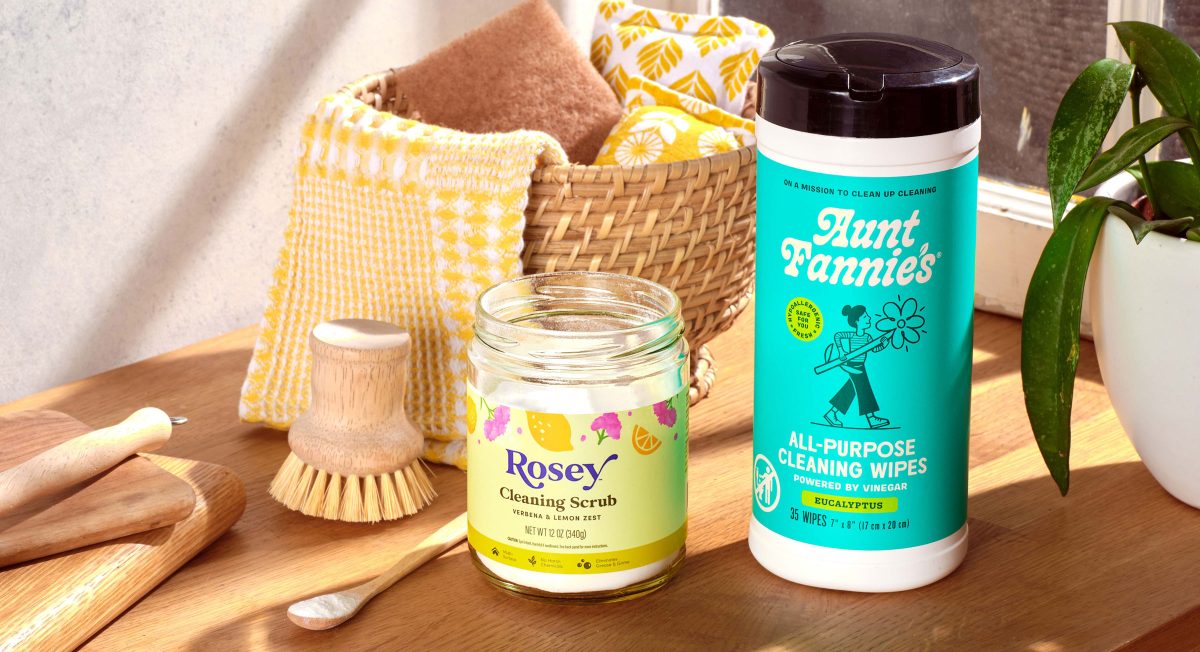
At Thrive Market, we believe clean homes start with conscious, safe ingredients. We look for grime-fighting formulas powered by plants and minerals whenever possible, screen for impurities in at-risk ingredients, and prohibit harsh chemicals like ammonia. Even without the chemicals found in conventional sprays, soaps, and detergents, the cleaning supplies we carry really work — thanks to performance testing for all products in Thrive Market brands and only carrying other products from brands we trust. What’s more, we go beyond other natural cleaning retailers to consider the safety of every product for people, the environment, and animals. And so you know there’s no dirty behavior behind your trusty chore sidekicks, we prioritize ethical manufacturing and cruelty-free supply chains.
What We Leave Out: Breaking Down Our Ingredient Restrictions
Before we add a product to our virtual shelves, we carefully review its makeup against our list of 1,000+ restricted ingredients. Placing restrictions means we will allow certain ingredients only if they’re used within safe concentrations. And in many cases, we go further to ban certain ingredients outright. Here’s an overview of the types of ingredients we restrict and a few examples of those that end up on our “never” list.
Abrasives & Polishing Agents
These creamy, liquid cleaners are designed to remove tough stains and restore shine without causing scratches on countertops, sinks, and silverware. Calcium phosphate is a common ingredient found in conventional abrasives and polishing agents, but you’ll never find it at Thrive Market because of its irritating effect on the respiratory tract. Instead, our safer alternatives are made with ingredients like baking soda, or sodium bicarbonate, that get to work on stains without the irritating effects.
For a sparkling-clean sink thanks to sodium bicarbonate, try: Molly’s Suds Citrus Sink Scrub
To power your next dishwasher cycle without harsh chemicals, try: Rosey by Thrive Market Dishwasher Detergent Gel, Grapefruit & Meyer Lemon
Antistatics
No one likes the feeling of a staticky sweater in winter or an overly stiff pair of jeans, but you might want to think twice before you reach for a conventional static release spray or fabric softener made with lauryl trimethyl ammonium chloride (LTAC). Also known as laurtrimonium chloride or dodecyltrimethylammonium chloride (DTAC), LTAC poses both health and environmental concerns, including irritation to eyes and skin and toxicity to aquatic life. To keep your skin and sea life safe, our static and wrinkle release sprays and fabric softeners (in both liquid and sheet forms) are made with ingredients such as cocamidopropyl betaine and C16-18 glycerides instead of LTAC. For an even simpler option, reduce static by tossing a wool dryer ball in with your next dryer load.
To soften fabrics with 97% plant-derived ingredients, try: Seventh Generation Free & Clear Fabric Softener Sheets
To prevent static using natural wool, not LTAC or DTAC, try: Molly’s Suds 100% Wool Dryer Balls
Brighteners & Opacifiers
Many conventional laundry detergents and optical brighteners are made with disodium distyrylbiphenyl disulfonate, an ingredient used to make whites appear brighter and colors look more vibrant. This ingredient raises environmental concerns because it is not readily biodegradable. It’s engineered to remain stable under UV light and heat, which means it does not easily break down during wastewater treatment. As a result, it can pass through filtration systems and enter rivers and oceans largely intact, where it may persist over time. The detergents and brighteners we carry instead rely on oxygen-based bleaches like sodium percarbonate to whiten fabrics, and natural acids such as vinegar and citric acid to help prevent dullness — without relying on persistent optical brighteners.
For brighter, vibrant colors in your clothes thanks to sodium percarbonate and citric acid, try: Rosey by Thrive Market Oxygen Brightening Powder
Buffering Agents & pH Adjusters
To control pH levels in cleaning products, chemists use both buffers (which stabilize the pH) and adjusters (which move the solution to a specific point on the pH scale). One common adjuster is ammonium hydroxide, a solution of ammonia in water. You’ll likely recognize ammonia’s strong odor in conventional cleaning products like glass and window cleaners, all-purpose sprays, and oven cleaners, but the chemical is poisonous to humans. We don’t allow ammonium hydroxide in any of our home cleaning products, instead tapping into the powerful properties of ingredients like baking soda and rubbing alcohol for a gentler, yet just as polished clean.
For a strong all-purpose spray that uses baking soda, not ammonia, try: Zum All-Purpose Cleaner, Frankincense & Myrrh
To effectively clean clothes with citric acid, not irritating ammonium chloride, try: Seventh Generation EasyDose Ultra Concentrated Laundry Detergent
For sparkling clean toilets without compounds that pollute the environment, try: Rosey by Thrive Market Toilet Bowl Cleaner
Builders
Builders help cleaning products work more effectively by softening water, boosting surfactant performance, and preventing minerals from redepositing onto surfaces. In many conventional cleaning formulas, this role is filled by synthetic polymers or mineral-based compounds that may persist in the environment or raise safety concerns when used in higher concentrations.
At Thrive Market, we restrict certain builders such as Acrylic/Maleic/AMPS/Methyl methacrylate copolymer, a synthetic polymer linked to increased risk for cancer, as well as disodium pyrophosphate (also known as sodium acid pyrophosphate or SAPP), a phosphate compound that can contribute to nutrient runoff in waterways. We also restrict sodium tetraborate (borax), which is often used as a builder and water softener in conventional detergents but can be irritating with repeated exposure. Instead, we prioritize builder alternatives like sodium carbonate (washing soda), vinegar, and sodium citrate, which help detergents perform well in hard water while breaking down more easily after use.
For effective cleaning without SAPP or borate builders, try: Molly’s Suds Dishwasher Pods
To get dishes squeaky clean using sodium carbonate that doesn’t harm aquatic ecosystems, try: Rosey by Thrive Market Dishwasher Detergent Powder
For powerful but biodegradable cleaning power using limestone, soda ash, and baking soda, try: Bon Ami Cleaning Powder
Chelating Agents
Chelating agents help cleaning formulas bind to minerals in water so that detergents and surfactants can work more effectively. Many conventional chelators are synthetic and can persist in the environment or raise safety concerns in higher concentrations.
At Thrive Market, we restrict ingredients such as benzophenone-4, aminotrimethylene phosphonic acid (ATMP), disodium EDTA, tetrasodium EDTA, and trisodium nitrilotriacetic acid (NTA). These compounds are commonly used in conventional cleaners to improve performance, but may be slow to biodegrade or raise environmental and health questions when they enter waterways. Instead, we prioritize gentler, more biodegradable chelators like tetrasodium glutamate diacetate (GLDA), which is derived from plant-based sources and helps keep minerals from interfering with cleaning performance, all while aligning with our ingredient safety and environmental standards.
For plant-based laundry pods without the chelators, try: Dropps Odor + Stain Laundry Detergent Pods in Lavender Meadow
For a laundry detergent that softens water using gentle sodium gluconate, try: Planet 2x HE Ultra Laundry Detergent
To get your dishes clean using sodium citrate instead of chelators that pollute waterways, try: Dropps UltraWash Dishwasher Detergent Pods
Disinfectants
Many conventional cleaning products rely on sodium hypochlorite (the active ingredient in chlorine bleach) or boric acid for their disinfecting power. Sodium hypochlorite is effective at killing germs, but it’s also highly irritating and can trigger respiratory symptoms, skin irritation, and eye damage, especially with frequent use or poor ventilation. Boric acid, another antimicrobial ingredient sometimes used in household and laundry products, has been linked to reproductive and developmental concerns at higher or repeated exposure levels. Instead, we choose products made with vinegar, essential oils, lactic acid, and other plant-based extracts that are just as effective (and a whole lot gentler).
For powerful disinfecting with safer hydrogen peroxide, try: Seventh Generation Disinfecting Cleaner with Hydrogen Peroxide
To lift laundry stains without respiratory irritation, try: Blueland Oxi Laundry Booster
To effectively clean whites using hydrogen peroxide, not corrosive disinfectants, try: Rosey Chlorine-Free Bleach
Dispersants
Dispersants, which are commonly used in cleaning products like laundry detergents and dishwashing detergents, help to keep dirt and grime suspended in water so it can be rinsed away instead of redepositing on surfaces. Some conventional dispersants are petroleum-derived polymers that resist biodegradation and may persist in the environment, contributing to microplastic build-up.
At Thrive Market, we restrict dispersants like sodium acrylic acid/MA copolymer and acrylic polymer P(CAA/NaHSO₃). These are synthetic acrylic-type polymers that are part of a class of materials that are not readily biodegradable. As a safer alternative, we prioritize dispersants made from plant-based or mineral-derived ingredients that support effective cleaning while aligning with our environmental and safety standards — helping products rinse clean and minimize long-term persistence in water and soil.
For sparkling clean dishes from microcrystalline cellulose (a gentler, biodegradable alternative to synthetic polymer dispersants), try: Blueland Laundry Tablets
To keep kids’ clothes clean using washing soda, not irritating synthetic polymers, try: Molly’s Suds Baby Laundry Detergent Powder, Unscented
Emulsifiers
Emulsifiers help oil- and water-based ingredients blend smoothly for consistent, effective cleaning. Many conventional cleaners rely on synthetic emulsifiers like monoethanolamine oleate (MEA-oleate) and PEG-400 dioleate. Monoethanolamine (MEA) has the potential to react with nitrosating agents (which may be present as impurities in other ingredients) to form N-nitrosamines, a well-studied class of known carcinogens.
Many PEG-based ingredients are made through a process called ethoxylation. During this manufacturing step, unintended trace contaminants such as ethylene oxide and 1,4-dioxane can be present; ethylene oxide is a known human carcinogen, and 1,4-dioxane is classified as a probable human carcinogen and a persistent environmental contaminant.
At Thrive Market, we restrict these ingredients and instead prioritize mild, sugar-based nonionic surfactants like decyl glucoside and coco glucoside that are highly biodegradable.
For effective cleaning using vinegar and biodegradable glucosides, try: Aunt Fannie’s All-Purpose Cleaner
Fabric Softening Agents
Fabric softening agents help reduce static and make textiles feel smoother by coating fibers. Many conventional softeners use ester quats because they’re effective at softening, but they’re also part of the broader family of quaternary ammonium compounds (QACs) that are toxic to aquatic organisms. That’s why we restrict ester-quat softening agents and prioritize alternatives that deliver softness with a lighter environmental footprint — like vinegar-based softeners, plant-derived conditioning ingredients (such as glycerin), and simple swaps like wool dryer balls.
For soft, fresh laundry that’s safer for animals (and our waterways), try: Seventh Generation Fabric Softener Dryer Sheets
To swap out conventional dryer sheets or fabric softeners in favor of natural wool, try: Molly’s Suds Wool Dryer Balls
Fragrances & Dyes
Fragrances and dyes make household products more sensorially appealing, but many synthetic colorants and fragrance compounds raise environmental or sensitivity concerns. At Thrive Market, we restrict certain synthetic dyes such as acid blue 182 and acid green 25, which belong to classes of dyes that have shown aquatic toxicity in wastewater studies. We also restrict fragrance compounds like galaxolide (which bioaccumulates in the fatty tissue of living organisms and may be toxic at low concentrations) and hydroxy-methylpentylcyclohexene carboxyaldehyde (Lyral), which has been well documented as a common cause of allergic contact dermatitis.
When fragrance is used in the household products we carry, we prioritize naturally derived essential oils and plant-based dyes.
For a great-smelling clean that comes from essential oils, try: Everyone Meyer Lemon & Mandarin Hand Soap
Your fabric softener doesn’t need synthetic fragrances or dyes in order to be effective—instead, try: Rosey by Thrive Market Fabric Softener, Lavender & Coconut Milk
For a laundry detergent that gets its amber color and scent from essential oils and plants, not dyes or synthetic fragrances, try: Zum Amber Laundry Soap
Polymers & Thickeners
Polymers and thickeners help cleaning formulas cling to surfaces or give sprays and concentrates the texture that makes them easy to use. Many conventional options — like acrylates crosspolymer, PEG-6000, polyacrylic acid, and polyethylene oxide — are built from acrylic or polyethylene backbones. Research on these classes of polymers shows that acrylic-based materials are generally slow to biodegrade, meaning they can persist in waterways rather than readily breaking down.
We prioritize plant-derived, readily biodegradable thickeners and suspension aids, such as cellulose gum, xanthan gum, or even beeswax, that help products rinse clean and align with our ingredient standards.
For a dishwashing gel that rinses clean thanks to biodegradable xanthan gum, try: Rosey by Thrive Market Dishwasher Detergent Gel
To make your laundry day routine effective without the use of acrylic-based polymers, try: Molly’s Suds Liquid Laundry Detergent
To clean your toilets using the power of xanthan gum instead of non-biodegradable polymers, try: Rosey by Thrive Market Toilet Bowl Cleaner
Preservatives (Antimicrobials)
Preservatives and antimicrobial agents keep products — such as dish soaps and toilet cleaners — free from bacteria, mold, and yeast, but some conventional options present concerns that matter for people and the environment.
A class of preservatives known as “formaldehyde-releasers” (including 2-bromo-2-nitropropane-1,3-diol (BNPD), DMDM hydantoin, diazolidinyl urea, and Quaternium-15) can release small amounts of formaldehyde, a well-known irritant. Another widely studied preservative, methylchloroisothiazolinone (often paired with methylisothiazolinone), has been linked to allergic skin reactions and is recognized as a common contact allergen. Other antimicrobial agents used in conventional formulations, such as iodopropynyl butylcarbamate, polyaminopropyl biguanide, and silver chloride, also raise concerns about skin, lung, and/or eye irritation and other risks.
Because of these potential effects, we favor preservatives with minimal sensitization risk that do not harm the environment, including phenoxyethanol, sodium benzoate, and natural plant extracts.
For clean, fresh toilets using phenoxyethanol, try: Rosey by Thrive Market Toilet Spray in Wild Jasmine
For spotless dishes without the irritating allergens, try: ECOS Dish Soap, Free & Clear
To clean counters and other surfaces using gentle sodium benzoate, try: Rosey by Thrive Market All-Purpose Cleaning Wipes, Fresh Lemon
Scale & Rust Removal
Strong acids like hydrochloric acid (often sold as muriatic acid) and phosphoric acid are often used in cleaning products because they dissolve mineral buildup and iron oxides quickly. However, these mineral acids are highly corrosive and pose safety concerns.
Concentrated hydrochloric acid can cause severe skin and eye burns and irritate the respiratory tract. Phosphoric acid, while somewhat milder than stronger mineral acids, is still corrosive and can cause skin burns and respiratory irritation upon contact or inhalation of mists. Both acids, when rinsed into wastewater, can disrupt aquatic ecosystems.
Because of these hazards, we restrict products formulated with these strong acids in favor of gentler, plant-derived alternatives like citric acid and lactic acid that help dissolve scale and rust without compromising user safety or environmental health.
To get the grime off your bathtub without the harsh acids, try: Rosey by Thrive Market Tub & Tile Cleaner
For sparkling clean toilets using citric acid instead of harsher acids, try: Blueland Toilet Cleaner Starter Set
Solvents
Solvents help dissolve grease, oils, and residues so cleaning ingredients can work more effectively. However, some conventional solvents, like diethyl phthalate, are part of the phthalate class of chemicals that have been studied as endocrine disruptors and linked to reproductive effects and developmental concerns.
Other solvents, such as glycol ethers, may cause respiratory and central nervous system irritation. With long-term use, ethyl acetate (another conventional solvent) can affect the liver and kidneys. Because of these harmful effects, we restrict certain solvent types and favor gentler, biodegradable solvents like naturally derived glycols.
For sparkling clean, great-smelling floors without potentially harmful solvents, try: Aunt Fannie’s Multi-Surface Floor Cleaner Concentrate, Eucalyptus
To remove tough pet odors using triethyl citrate and vinegar, try: Aunt Fannie’s Cat Clean-up Spray, Bright Lemon
Surfactants
Surfactants are the workhorses of cleaning: They help break up soils and allow water to rinse away grease and grime. However, some surfactants, like Dimethylaminopropylamine (DMAPA), cause skin irritation and contact allergies; others, like linear alkylbenzene sulfonates (such as SDBS), can persist in waterways and be toxic to aquatic organisms.
At Thrive Market, we restrict a range of surfactants and related ingredients that are commonly used in conventional cleaning products, including:
- Dimethylaminopropylamine (DMAPA)
- Ammonium carboxylic acid surfactants
- Linear alkylbenzene sulfonates (such as SDBS — sodium dodecylbenzenesulfonate)
- TEA-oleate
- Laurtrimonium chloride (LTAC)
- Octyl decyl dimethyl ammonium chloride (ODDMAC)
- Tallow dihydroxyethyl betaine
- Cocamide DEA and cocamide MEA
- Diethylene glycol monobutyl ether (Glycol Ether DB)
- Lauramide DEA
- Trideceth-9
Instead, we prioritize biodegradable surfactants like lauryl glucoside, a plant-derived surfactant made by combining glucose with lauryl alcohol, a fatty alcohol typically sourced from coconut or other plants — helping keep both your home and shared planet healthier.
To clean your carpets using plant-based enzymes that don’t cause irritation, try: Rosey by Thrive Market Carpet Stain & Odor Remover, Bergamot & Lavender Sprigs
To scrub dishes clean using environmentally friendly lauryl glucoside, try: Mrs. Meyer’s Lemon Verbena Dish Soap
For powerful home cleaning using lauryl glucoside, not harsh, environmentally harmful surfactants, try: Dr. Bronner’s Sal Suds Biodegradable Cleaner
Learn More About Our Quality Standards
- Behind the Scenes With the Team That Guides Our Industry-Leading Product Standards
- Rosey by Thrive Market Paper Products are a Sustainable Swap for Your Average Paper Towels
- Get to Know Rosey™ with Thrive Market’s Product Innovator for Home Cleaning
- Our Industry-Leading Quality Standards: Seafood
- Our Industry-Leading Quality Standards: Meat & Poultry
- Our Industry-Leading Quality Standards: Beauty, Bath & Body Care