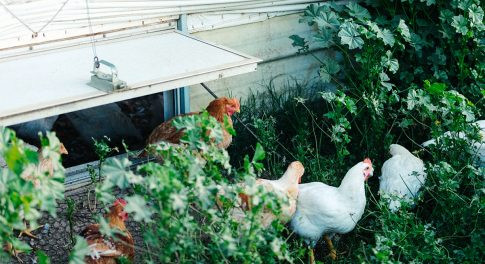
How a Family-Run Farm Nurtures its Animals and its Community
When David Pitman says he intends to “brainwash his kids” into poultry farming, he’s joking…kind of.
When David Pitman says he intends to “brainwash his kids” into poultry farming, he’s joking…kind of.
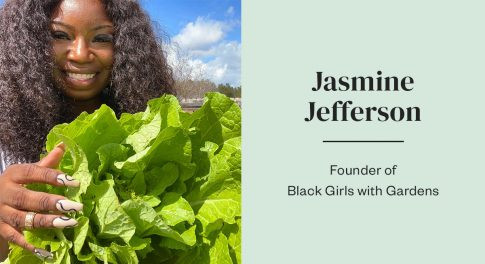
Jasmine Jefferson’s first memories of gardening were, like many people’s childhood memories, filled with some embarrassing moments with her family. “Here in Florida, a lot of houseplants that people like to have grow on the side of the road,” she says. “My ‘normal’ was my mom and my grandma driving around with shovels and bags ...

You always smell it before you see it—wafting from the concession stand, across the carpeted lobby and all the way out onto the street. That buttery, roasty aroma with a hint of salt can mean only one thing: you’re about to settle in for the latest blockbuster on the big screen, requisite giant tub of ...
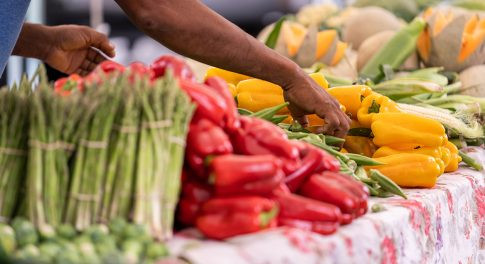
Ask three people why they bought organic groceries, and you’re likely to get three different answers. One person might want to shrink their carbon footprint, while another insists that organic baby food offers the best nutrition for little ones. The perceived benefits of organic food are pretty much endless, making it harder to separate what’s ...

In search of a wholesome way to sweeten their beloved baking mixes and granolas, natural food company Purely Elizabeth traveled to Indonesia, a collection of more than 17,000 islands between the Pacific and Indian Oceans. Not only is the world’s largest archipelago home to lush rainforests, volcanic beaches, and vivid turquoise waters; it also produces ...
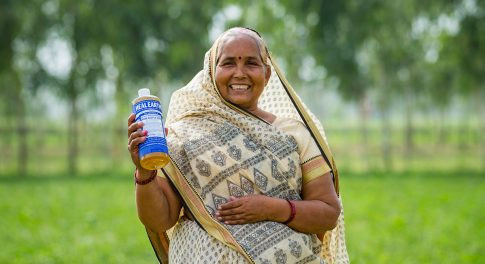
Dr. Bronner’s is a great example of a company that’s incorporated fair trade practices directly into its business model, helping to build a more ethical and sustainable supply chain by partnering with small-holder farmers and local workers on product development, training, and restoration projects. With a new mint initiative in India, we asked Dr. Bronner’s ...

Around the world, more than 663 million people live without access to clean water—and this month we’re partnering with charity: water to do something about it.
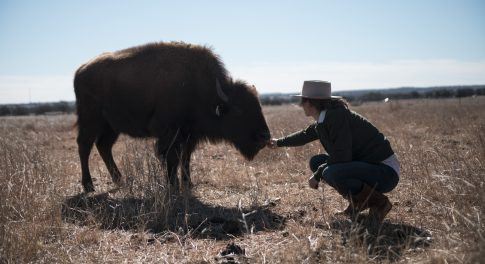
Every year on April 22, individuals and businesses come together for Earth Day, a celebration of sustainability and the environment. EPIC is one brand that’s no stranger to putting the planet first. “We strive to honor nature by partnering with ranchers and non-profit organizations that are committed to creating a positive return on the planet ...
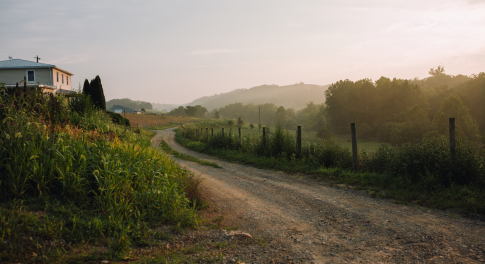
When biologist Allan Savory gave the keynote address at Slow Food USA’s Slow Meat Symposium in 2014, he called agriculture “the most destructive industry in the world.”
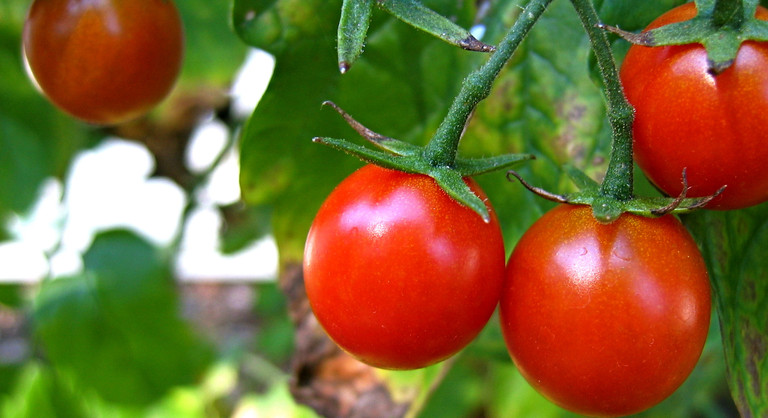
The Great Recession was tougher on some cities than others. Take Detroit, for instance.
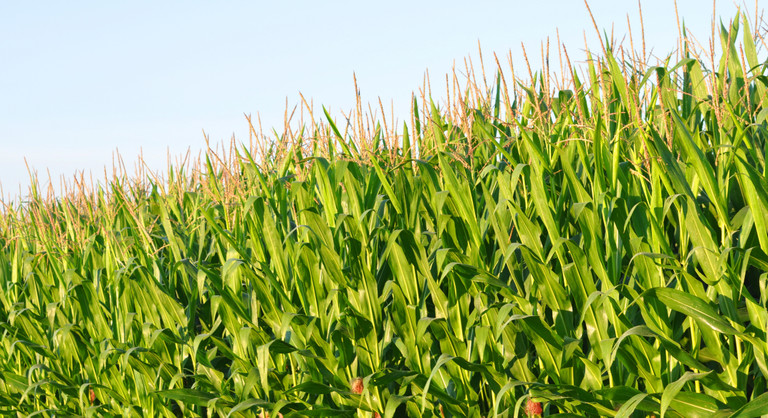
Hate paying taxes every year? Trade in your suit and tie for a pair of overalls. Instead of handing over part of your hard-earned paycheck every April, you could get a handsome sum of money from the government if you become a corn farmer.
If your idea of American agriculture is American Gothic—the classic painting of a farmer, his wife, and a pitchfork—it’s time to think again. These days, it might be more accurate to paint an image of a farmer and her husband.
If you’re looking for proof that, increasingly, American consumers are growing tired of questionable, chemical-soaked food, look no further than the results of the 2014 organic survey, just released by the United States Department of Agriculture.
Monsanto is at it again. The widely reviled biotech company has been hard at work formulating a chemical it’s calling BioDirect, which, when sprayed onto a plant, reconfigures the plant’s genes to do things like kill pests that want to eat it, prevent browning of apples, or improve the taste of tomatoes. Those last two ...
Farmers are certainly not strangers to technology. From the invention and adoption of complex harvesting mechanisms decades ago to iPads in the fields tracking weather and crop yields, farmers have been using technology for eons.
America has spoken, but (surprise!) Congress isn’t listening. A whopping 93 percent of Americans favor a law requiring foods containing genetically modified organisms to be labeled. But instead, lawmakers are marching forward with a bill that actually makes it illegal for states to pass labeling laws.
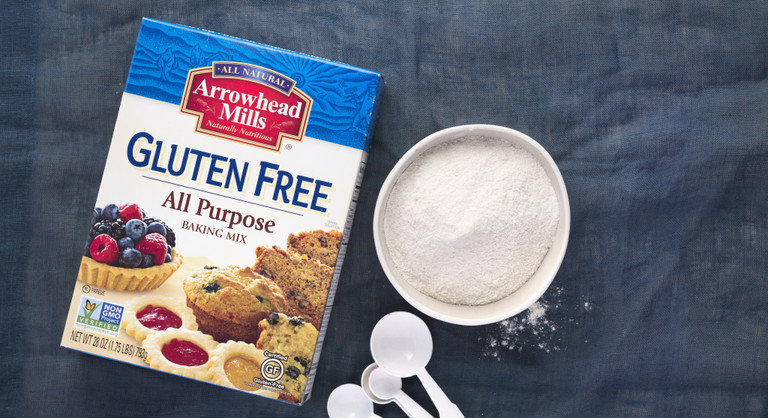
If you lived 200 or 300 years ago, bread would most likely have been an integral part of your diet. The lower your social class, the more you relied on bread—it was cheap, full of calories, and tasty.
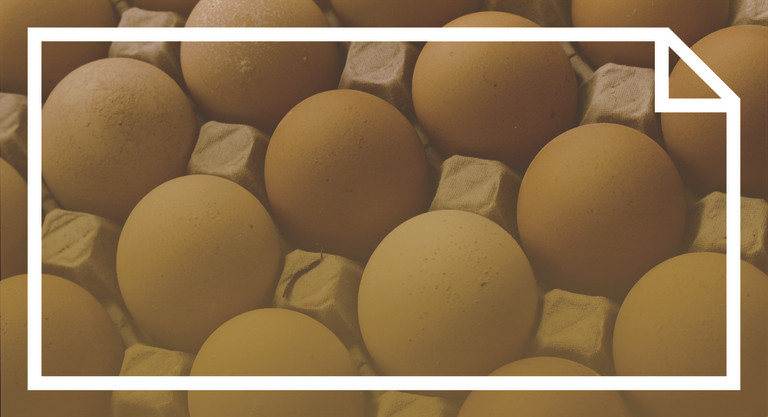
The last time you hit the grocery store, did the exorbitant price of eggs make your eyes pop out of their sockets? You’re not the only one—bakeries, fast-food chains, and restaurants are also feeling the pain of the avian flu outbreak that has been decimating entire flocks of chickens since late last year.
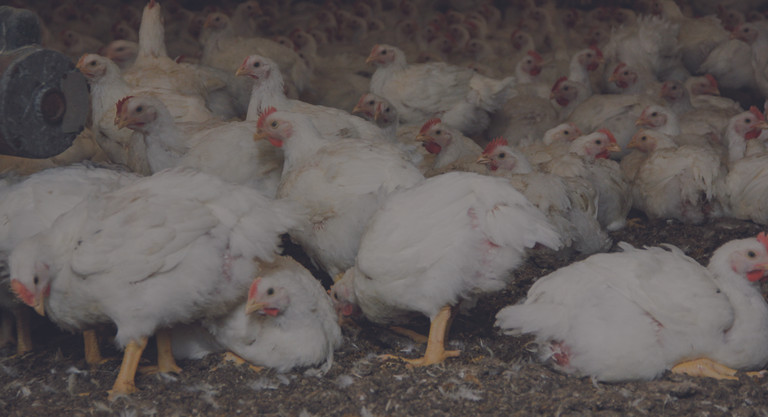
Fried, baked, or as an omelette, there’s no denying that Americans love chicken—the industry is now worth more than $50 billion a year.
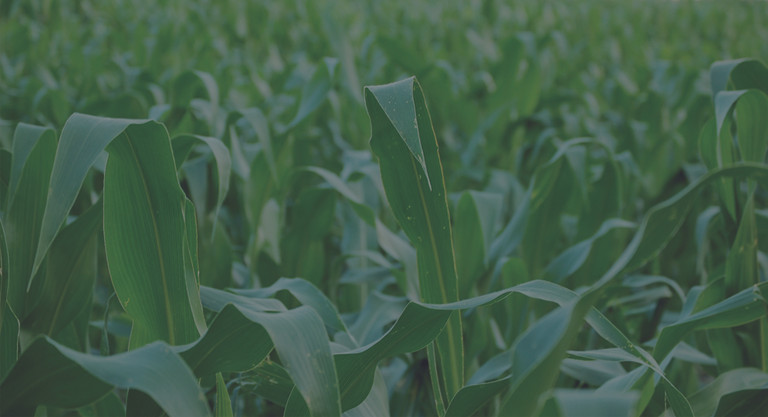
Anyone who’s been in a grocery store lately can attest: There’s a label for almost everything these days.
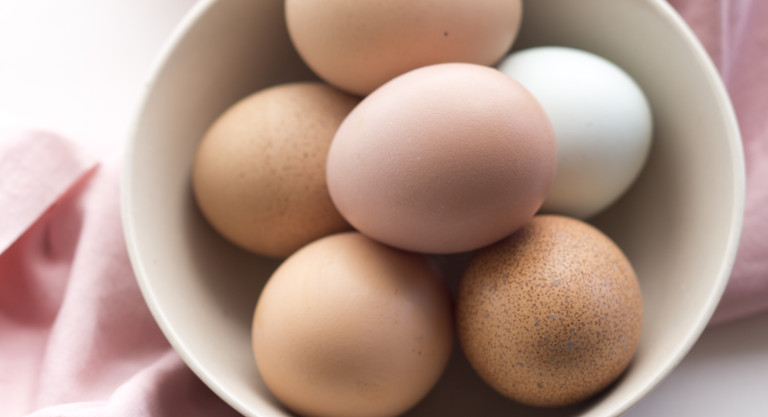
They can cost twice as much as the regular kind, but are cage-free eggs all they’re cracked up to be? Say cage-free and most people picture chickens clucking about happily with a big red barn in the background. But as reality goes, a cage-free bird’s life isn’t a verse from “Old MacDonald Had a Farm.”