Our Industry-Leading Quality Standards: Food & Drinks
Publish Date: May 22, 2026
Last Update: June 26, 2026
Our standards — the highest in the industry — set a new bar for quality. Before adding a product to our virtual shelves, we look at five key areas to determine if it’s Thrive Market Approved: Trusted Ingredients, Ethical Sourcing, Planet Positive, On a Mission, and Tasted & Tested. From restricting 1,000+ ingredients across categories to prioritizing certified organic options, we’re proud to do the heavy lifting for you. Our goal? That you trust our products for you, your family, and our planet.
Here’s a closer look at our approach to the foods and drinks we carry, including restricted ingredients, our better-made options, and opportunities for you to learn more.
What We Stand For: Organic & Non-GMO Food & Drinks
Healthy food isn’t only essential to a healthy life; wholesome, simply made food tastes better, too. With our 100% non-GMO selection of food and drinks, we aim to stay as close as possible to what nature intended. So instead of pasta sauce packed with chemical preservatives, we search for the tastes-like-homemade option made with simple ingredients you know. And we steer clear of kids’ drinks made with high-fructose corn syrup and synthetic sweeteners, opting instead for the low-sugar, just-as-delicious options.
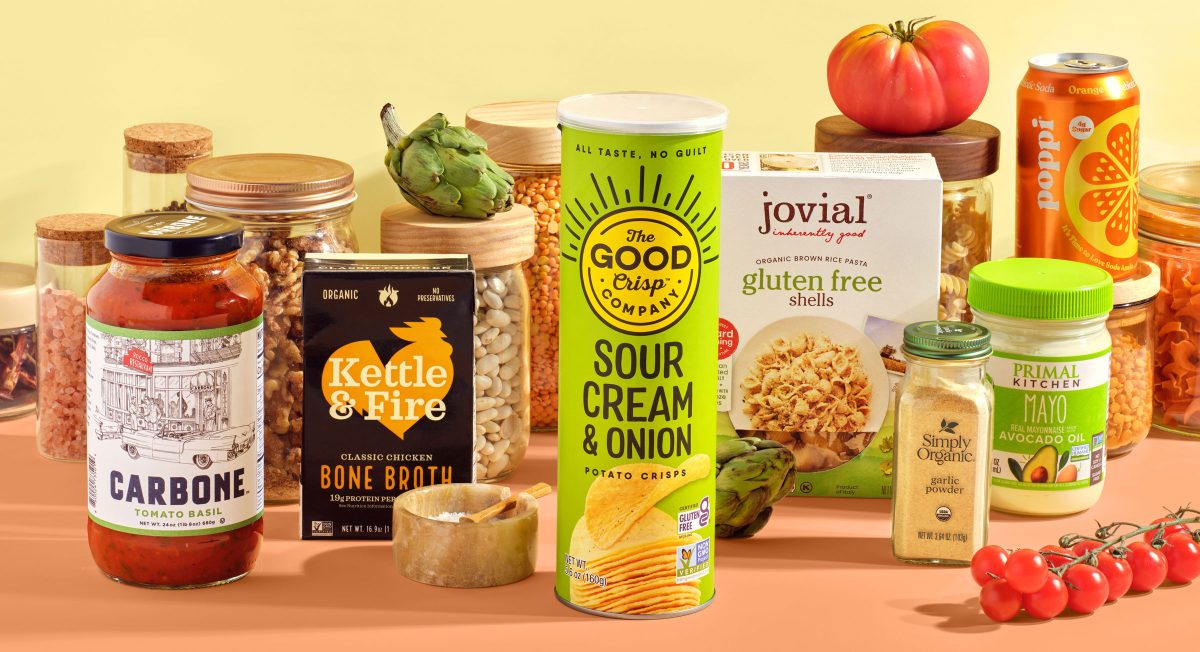
What We Leave Out: Breaking Down Our Ingredient Restrictions
Before we add a product to our virtual shelves, we carefully review its makeup against our list of 1,000+ restricted ingredients. Placing restrictions means we will allow certain ingredients only if they’re used within safe concentrations. And in many cases, we go further to ban certain ingredients outright. Here’s an overview of the types of ingredients we restrict and a few examples of those that end up on our “never” list.
Acidulants
Acidulants help to control the acidity and alkalinity in a product and prevent it from spoiling. Two common examples are ammonium and potassium alums. While alums are generally recognized as safe (GRAS) by the FDA in certain food uses, we avoid them because their primary component is aluminum, which is a suspected toxicant. Instead, we prefer to use common food acids like vinegar (acetic acid) and citric, lactic, and malic acids for their cleaner taste, long history of safe consumption, and efficacy as preservatives in food or leavening agents in baking.
For veggies pickled with vinegar and citric acid, try: Poshi Steamed & Marinated Artichokes
For a cheesy dip made with lactic acid instead of ammonium or potassium alums, try: Credo Foods Oatmilk Queso
Artificial flavors & flavor enhancers
As part of our commitment to quality, we never carry artificially flavored products. We’ll only accept flavors labeled as “organic” or “natural” that come from — you guessed it — a natural source like a spice, fruit, or vegetable. Many imported products may contain “nature-identical” flavorings, which are created synthetically to mimic natural tastes, and are considered artificial flavors in the U.S. That means we won’t allow them on our virtual shelves at Thrive Market.
For a healthier nacho chip that contains yeast extract and natural flavors instead of disodium inosinate or guanylate often found in other chip products, try: Late July Nacho Cheese Tortilla Chips
For flavorful meat sticks made with liquid smoke, chipotle powder, and real peppers, try: Righteous Felon Mini Meat Sticks
For a smoky BBQ sauce with a natural hickory smoke flavor instead of artificial smoke, try: The New Primal Noble Made BBQ Sauce
Bleached ingredients & bleaching agents
Bleaching and bromating are ways of processing flour to enhance its performance in baking. Bleached flour is treated with a chemical like benzoyl peroxide or chlorine dioxide gas to lighten its color and make it less dense, while bromated flour is treated with potassium bromate, a conditioner that oxidizes the flour and boosts rise in baked goods. According to the EPA, potassium bromate is a carcinogen; in fact, it’s banned in several parts of the world, including Canada and the European Union — and you’ll never find these bleached ingredients or bleaching agents here.
For a baking essential without chemical additives, try: King Arthur Baking Company Organic All-Purpose Flour
For gluten-free baking without the bleaching agents, try: Bob’s Red Mill Gluten-Free Flour
Color retention & antioxidants
Butylated hydroxyanisole (BHA) and butylated hydroxytoluene (BHT) are synthetic antioxidants often found in snack foods, butter, cereal, beer, and baked goods, as well as some medications and cosmetic products to help prevent and delay spoilage and preserve a food’s original color, flavor, texture, and nutritional value. Though they’re officially recognized as safe to consume, the National Toxicology Program classifies BHA as “reasonably anticipated to be a human carcinogen,” and California’s Prop 65 lists it as a known carcinogen. While the regulatory status of BHT varies, it’s also been the subject of controversy, and for that, we don’t allow BHA or BHT at Thrive Market. Instead, we opt for natural preservatives like rosemary extract or tocopherols (vitamin E).
Synthetic sodium nitrates and nitrates are two more ingredients you won’t find in the products we carry, and the “synthetic” difference is key here. Synthetic nitrites are added as a preservative to foods like bacon and hot dogs to give them their characteristic pinkish-red hue. When synthetic nitrites are exposed to high heat, they can react with the amino acids in the meat to form compounds called nitrosamines, which are known carcinogens. Natural nitrates, on the other hand, occur in vegetables like spinach, celery, beets, and leafy greens — and they’re not associated with the same risks as synthetic nitrates. Naturally occurring nitrates contain beneficial compounds like vitamin C and antioxidants that help inhibit nitrosamine formation in the first place.
Try Simple Mills Almond Flour Crackers, Fine Ground Sea Salt for a crispy, crunchy snack with rosemary extract to preserve freshness, and Righteous Felon Beef Sticks, O.G. Hickory that uses celery powder instead of sodium nitrate
Dough conditioners & emulsifiers
Conditioners and emulsifiers help to maintain the appearance and texture of baked goods and prolong shelf life. One example of a dough conditioner we don’t allow is azodicarbonamide (ADA). While ADA is used in conventional baking, it’s also used as a foaming agent in the production of plastics and rubbers like yoga mats and shoe soles. That association with industrial, non-food products is a common source of public concern for its use in food, along with the occupational hazards of working with it. The U.S. and Canada still permit its use, but it’s banned in the EU and Australia because of the precautionary principle, the idea that if a substance is suspected of causing harm, it should not be used until proven safe. What’s more, its use is optional — not essential — in creating high-quality bread and baked goods. We do not allow ADA at Thrive Market, opting instead for conditioners and emulsifiers like enzymes, ascorbic acid (vitamin C), and vital wheat gluten, along with processes that allow for a longer fermentation period for the dough to develop its signature gluten structure and flavor.
For bread made with enzymes and ascorbic acid to maintain its look and texture, try: Hero Bread Classic White Bread
For a sweet breakfast made with vital wheat gluten rather than ADA or other potentially harmful dough conditioners, try: Nature’s Path Organic Strawberry Frosted Toaster Pastries
Hydrogenated fats & fat substitutes
Hydrogenated fats (typically oils) are used to preserve freshness in foods. The hydrogenation process — especially partial hydrogenation — is the primary source of artificial trans fats, which are found in products like margarine, fried foods, and baked goods, and widely considered to be the most harmful type of fat to consume. Artificial trans fats increase the chances of heart attacks and strokes and hurt the body’s ability to remove excess cholesterol from the arteries and protect itself from heart disease. According to the World Health Organization (WHO), trans fats are responsible for more than 278,000 premature deaths from cardiovascular disease each year worldwide. What’s more, there are no health benefits to hydrogenated fats, meaning there’s no real safe level of consumption. We do not allow partially hydrogenated oil, and source products made instead with liquid unsaturated vegetable oils like olive, canola, sunflower, corn, and soy, as well as saturated oils like palm, palm kernel, and coconut that are solid at room temperature.
For a sweet spread made with sustainably sourced palm oil, not hydrogenated fats, try: Justin’s Chocolate Hazelnut and Almond Butter
To frost a cake with ingredients like Rainforest Alliance certified sustainable palm fruit oil and coconut oil, not hydrogenated fats, try: Miss Jones Baking Co. Organic Chocolate Frosting
For soft, chewy cookies made with sunflower oil, try: Partake Foods Soft Baked Chocolate Chip Cookies
Leavening agents
Aluminum is a common ingredient in leaveners like baking powder that help baked goods rise, but because of aluminum concerns, we ban two leavening agents: sodium aluminum phosphate (SALP) and sodium aluminum sulfate (SAS). While the body absorbs a very low amount of aluminum from these additives, they’re examples of ingredients we added to our restricted list after hearing enough concerns from our members. Today’s alternatives make it easy to avoid aluminum, as many manufacturers are switching to aluminum-free leavening agents like cream of tartar combined with baking soda, sodium acid pyrophosphate (SAPP), and monocalcium phosphate.
For a muffin mix leavened with cream of tartar and baking soda, try: Kodiak Protein Packed Blueberry Lemon Muffin Mix
For a chocolaty dessert made with baking powder without sodium aluminum phosphate and sodium aluminum sulfate, try: King Arthur Baking Company Gluten Free Ultimate Fudge Brownie Mix
Solvents & flavor carriers
Solvents are used to help dissolve other substances in food and drinks. Methylene chloride is one solvent used in conventional products like decaffeinated coffee, but once in the body, methylene chloride is metabolized into carbon monoxide, which can be especially dangerous for people with pre-existing heart conditions. The Environmental Protection Agency (EPA) states that methylene chloride presents an unreasonable risk of injury to human health and has restricted — and in many cases, banned — its use in consumer and commercial products. While the FDA has set strict limits on its use in food, they haven’t yet banned it, so we took our own action to prohibit it in food products at Thrive Market.
For a coffee decaffeinated with a Swiss Water process instead of methylene chloride, try: Wandering Bear Coffee Decaf Cold Brew Coffee or Thrive Market Organic Instant Decaf Coffee
Synthetic sweeteners & high-fructose corn syrup
Acesulfame potassium (sometimes called Acesulfame-K or Ace-K), advantame, aspartame, saccharin, and sucralose are all common sweeteners you might see in diet soda, candy, gum, baked goods, and even on a diner table to stir into coffee, but you’ll never find them here. We only allow sweeteners and sugars that occur in nature, including maple syrup, honey, and agave, plus naturally derived sweeteners like cane, beet, and coconut sugars, allulose, sugar alcohols, stevia, and monkfruit.
While high-fructose corn syrup (HFCS) isn’t synthetic, this much-maligned liquid sweetener contains a large amount of fructose, which is processed differently by the body than other forms of sugar and has been linked to obesity, diabetes, and other health issues. Still, HFCS is found in a myriad of processed foods and sugary beverages, even foods you wouldn’t expect to be sweetened, such as salad dressings and pasta sauce. What’s more, it’s usually made from GMO cornstarch — and GMOs (and HFCS) are never allowed at Thrive Market.
For a sweet treat made without synthetic sweeteners or HFCS, try: Unreal Dark Chocolate Peanut Butter Cups
For a kid-friendly snack that’s sweetened with real fruit, not artificial sweeteners, try: Amara Organic Smoothie Melts
Synthetic colors & color compounds
Browse a candy aisle at a conventional grocery store, and you’re likely to see the rainbow — but at the cost of using synthetic colors. You might notice them on ingredient lists as azo dyes like Tartrazine (FD&C Yellow No. 5), Sunset Yellow (FD&C Yellow No. 6), or Allura Red (FD&C Red No. 40), but one study found a link between consumption of artificial food colors (including several azo dyes) and hyperactivity in children. While these dyes are still permitted in many foods, the European Food Safety Authority (EFSA) determined that any product containing six specific dyes must carry a warning label.
At Thrive Market, we only allow colors from natural sources like fruit and vegetable juice concentrates, powders, oils, and extracts, as well as from seeds and spices like turmeric, annatto, saffron, and paprika. Although some colors are derived from natural sources like caramels, they’re processed with ammonia or sulfites, which we do not allow. And we dive deeper and prohibit certain other natural color sources like carmine, a bright red food dye derived from the cochineal insect. Most people can consume carmine without issue, but one study showed that some people might have an allergic reaction. While these reactions are rare, we still chose to ban carmine to eliminate any risk (and because it is not suitable for our many vegan, vegetarian, kosher, and halal members).
We also restrict nature-identical colors, which are chemically identical to pigments found in nature, but are instead produced synthetically in a lab. Synthetic beta-carotene, riboflavin, canthaxanthin, and astaxanthin are all on our no-go list, and we look instead for ingredients like beet juice or paprika, which provide vibrant hues and beneficial phytonutrients, antioxidants, and vitamins.
For a candy colored with organic black carrot and black currant extracts, try: Annie’s Organic Bunny Fruit Flavored Snacks, Variety Snack Pack
For a fruity, colorful kids’ cereal that gets its vibrant hue from carrot juice concentrate, try: Nature’s Path Envirokidz Cheetah Chomps Cereal, Berry
Synthetic hormones
To produce a significantly higher volume of milk than they naturally would, some cows are treated with bovine somatotropin, or BST. We do not allow BST or milk/milk derivatives from cows treated with rBST for several reasons, with animal welfare concerns at the top of the list. Cows treated with rBST have an increased risk of mastitis and are more susceptible to other health problems like lameness, reproductive issues, general stress, and increased antibiotic use. The EU and countries like Canada have banned the use of BST, and we do not allow it at Thrive Market.
For a mac & cheese made with cheese from cows not treated with rBST, try: Annie’s Mac & Cheese Shells, Real Aged Cheddar
Synthetic preservatives
Preservatives are added to food to prolong shelf life. With thousands of shelf-stable items at Thrive Market, you can imagine that restricting synthetic preservatives is no small feat, but it’s one we’re proud to stand behind. We do not allow any synthetic preservatives in our food, including calcium sorbate, sodium sorbate, BHA (butylated hydroxyanisole), potassium metabisulfite, and propionates. To take propionates as an example, these synthetic preservatives are commonly used in breads, baked goods, and processed foods — and they’ve also been linked to an increased risk of obesity and diabetes. The only preservatives we’ll allow in our food are those that come from food sources, including tocopherols (vitamin E), rosemary extract, salt, citric acid, and celery juice.
For a sweet treat made without synthetic preservatives, try: Partake Foods Crunchy Cookies, Vanilla Wafers
For a fruity toaster pastry preserved with food ingredients like apple cider vinegar and rosemary extract, try: Smash Foods Concord Grape Toasties