Give Back, But Better: 10 Donation Ideas for Community Fridges & Food Pantries
Publish Date: November 17, 2025
Last Update: September 29, 2026
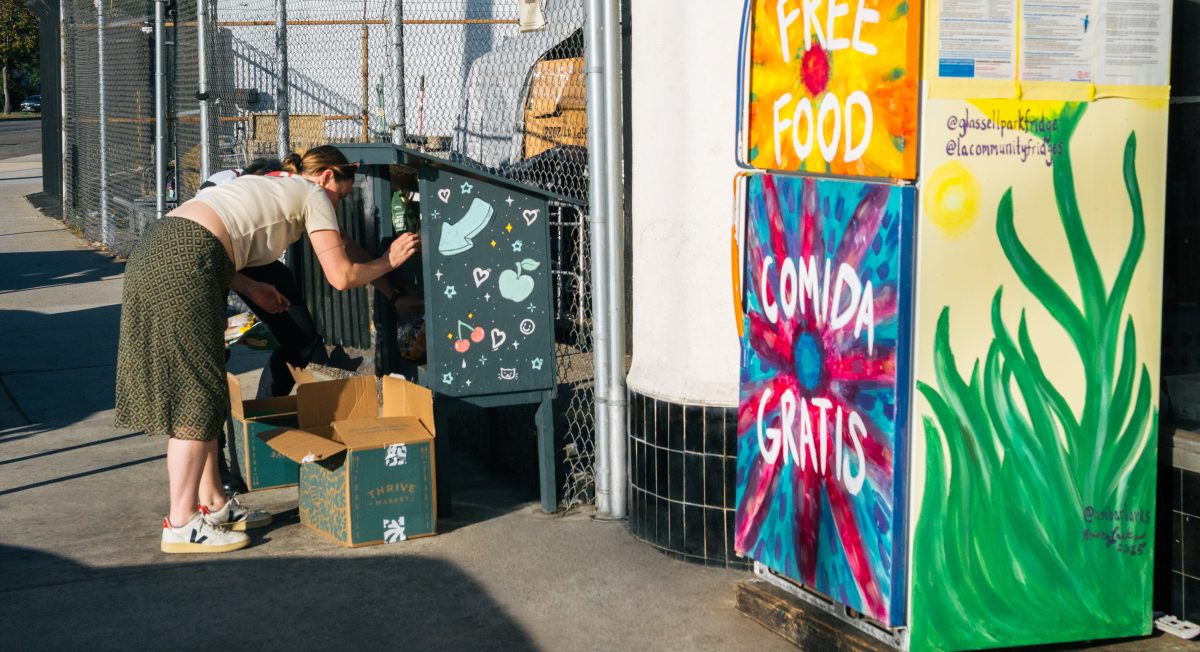
Our photo team at Thrive Market regularly takes beautiful photos of foods and self-care products, and when those shoots are over, we never want anything to go to waste. Instead of throwing away the unused, unopened products we photograph for the website, the team gathers these items and takes them to a community fridge in East Los Angeles to give these products to those who need them.
If you’re unfamiliar, a community fridge operates similarly to a food pantry, but is available 24/7 to serve those in need. Community fridges are typically refrigerators located in public spaces where individuals and families can anonymously take food when they need it, and those looking to make donations can stop by to drop off donations (a voluntary exchange of resources and services known as mutual aid).

After our most recent holiday photoshoots, a few members of our team made an especially large donation to help those in need prepare for the season ahead. They loaded up a vehicle with things like diapers, healthy snacks, protein powders, pantry staples, and baby foods from our assortment of conscious, health-forward brands. “It’s so nice to be able to give back to people in the community, especially at a time like the holidays when people need it most,” says Jeffrey Chan, Thrive Market’s Art Director for Design & Organic Social.

Donating items to a community fridge or food pantry is a powerful way to support neighbors who need it most. But while the intention is always generous, these organizations often receive foods that are spoiled, damaged, or offer little in the way of real nutrition. Here’s the truth: people facing food insecurity deserve the same high-quality, nutrient-dense options that any of us would choose for our own families. Food access isn’t a luxury—it’s a basic part of health, comfort, and dignity.
By choosing thoughtful, shelf-stable staples and wholesome ingredients, you’re doing more than making a donation; you’re helping someone feel cared for. Foods that are nourishing, easy to cook with, and culturally versatile allow community members to prepare meals that feel familiar and satisfying.
If you’re wondering what to donate, here are some of the most-requested staples food pantries rely on—items that help provide both meaningful nourishment and the sense of dignity everyone deserves.
Tip: Add these items on to your next Thrive Market order, ship it straight to your door, and you’ll have everything you need to make a drop-off at your local food pantry or community fridge.
How (And What) to Donate to a Community Fridge or Food Pantry
1. Nut Butters
Shelf-stable, nutritionally dense items like nut butters are always in high demand at food pantries. These products offer a rare combination of protein, healthy fats, and long-lasting energy, making them incredibly valuable for individuals and families who may be stretching ingredients over several meals.
Tip: Consider donating almond, peanut, or cashew butters without extra sugars.
2. Baby Formula
Baby formula is one of the most urgently needed items in a food pantry: It’s expensive and essential for many families with infants, but also tightly regulated, so families can’t easily substitute for another product like regular cow’s milk.
Tip: Donate a few different brands and types to reach as many families as possible.
3. Pasta & Pasta Sauce
Because they’re shelf-stable, affordable to prepare, and universally familiar, pasta and sauce offer both nourishment and a sense of comfort. They’re also endlessly versatile—simple enough to serve on their own, but also adaptable to whatever a household might already have on hand, whether that’s leftover vegetables, canned proteins, or a sprinkle of cheese.
Tip: Look for pastas made with whole wheat for added fiber, or chickpea flour for extra protein.
4. Spices
Spices help families make everyday meals more flavorful, comforting, and enjoyable, and that emotional lift is especially important during times of food insecurity. Even a a few simple spices can transform pantry staples into dishes that feel more familiar, culturally relevant, or creative.
Tip: Donate a variety of multipurpose spices and spice blends, like salt, pepper, garlic powder, and taco seasoning.
5. Flour
Flour offers endless flexibility for cooking and baking (from breads and pancakes to tortillas, muffins, and savory dishes), giving households the ability to prepare nourishing, homemade meals with just a few additional ingredients. It also empowers families to stretch other pantry items further and create foods that feel comforting, familiar, and culturally meaningful.
Tip: Whole-wheat or unbleached options can also provide extra fiber and nutrients.
6. Coffee
While coffee may not seem essential in a nutritional sense, it’s a meaningful comfort item that helps to provide dignity and routine during uncertain times.
Tip: Donate economy-sized containers of coffee that last longer than smaller bags.
7. Canned Meat & Seafood
Protein is often one of the most difficult foods for food-insecure individuals to access, so shelf-stable cans are extremely valuable for creating balanced meals.
Tip: Donate a variety of canned proteins, such as tuna, chicken, and salmon.
8. Canned Fruits & Vegetables
Canned fruits and vegetables provide essential vitamins and minerals, offering a dependable source of nourishment even when fresh produce isn’t accessible or affordable. Because they’re picked and preserved at peak ripeness, these items retain much of their nutritional value while lasting far longer than their fresh counterparts.
Tip: Look for fruit packed in juice (not syrup) and low-sodium vegetables.
9. Rice
Rice is inexpensive, shelf-stable, and incredibly adaptable, which makes it one of the most valuable donations a food pantry can receive. It serves as the foundation for countless meals across cultures and pairs easily with beans, vegetables, canned proteins, or whatever a family already has on hand.
Tip: Donate both white and brown rice so that individuals can choose their preference.
10. Pet Food
Donating dog and cat food helps ensure that beloved pets are cared for without taking away from a family’s grocery budget. Providing pet food allows people to keep their companions healthy and at home, where they offer stability and joy.